6052 Ridge Rd, Florence, KY 41042


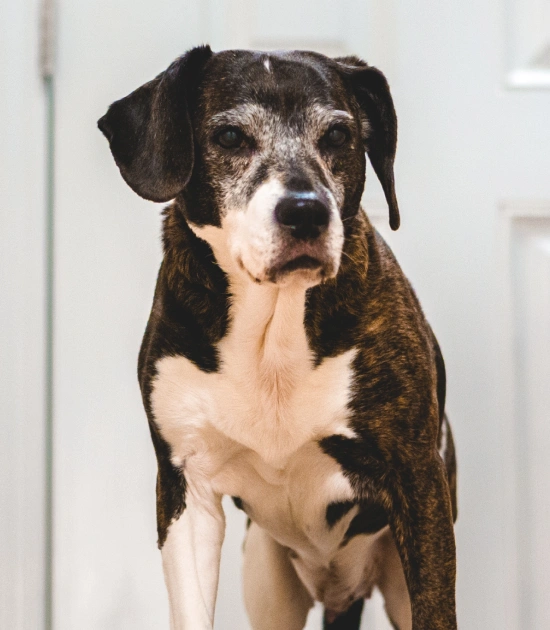

Embracing Your Dog's Golden Years
There is something truly special about a senior dog. The wisdom in their eyes, the way they settle into your routine, and the deep bond built over years together make this stage of life one of the most meaningful. As your dog ages, their needs naturally evolve, and the care they received as a young, energetic pup may no longer be quite enough. Senior dogs benefit from a more attentive, customized approach that addresses the realities of aging while celebrating the joy these dogs continue to bring into our homes.
At Pet Wellness Group, our senior dog care is built around one simple goal: helping your dog enjoy every season of life with as much comfort, energy, and happiness as possible.
Twice-Yearly Wellness Visits to Keep Senior Dogs Healthy
For senior dogs, more frequent checkups make a real difference. We recommend wellness visits every six months once your dog enters their senior years. Health changes can happen quickly in older dogs, and twice-yearly visits give us the chance to track trends, intervene early, and keep small issues from turning into bigger ones.
A senior wellness visit at our Florence hospital may include:
- A detailed physical exam from nose to tail
- Senior bloodwork and urinalysis to check organ function
- Blood pressure monitoring
- Mobility and joint evaluations
- Dental and oral health checks
- Vision and hearing assessments
- Body condition scoring and weight tracking
- Lifestyle, behavior, and at-home care discussions
Health Conditions We Watch for in Senior Dogs
As dogs age, certain health conditions become more likely. The good news is that many of these can be managed effectively, especially when caught early. Some of the conditions we screen for in senior dogs include:
- Osteoarthritis and joint disease
- Heart disease, including valve disorders and congestive heart failure
- Kidney and liver disease
- Diabetes
- Cushing's disease and hypothyroidism
- Dental disease and oral tumors
- Vision and hearing loss
- Canine cognitive dysfunction (similar to dementia in people)
- Lumps, bumps, and various forms of cancer
Mobility Support and Joint Care
Joint issues are one of the most common reasons senior dogs slow down, and arthritis affects a huge percentage of older dogs to some degree. The earlier we address mobility concerns, the better we can preserve your dog's freedom of movement. Our team can help you build a mobility care plan that may include prescription medications, joint-supporting supplements, weight management, low-impact exercise routines, and complementary therapies like acupuncture. We will also share at-home tips, like adding traction to slippery floors, providing supportive bedding, or using ramps for cars and couches.
Nutrition and Weight Management for Senior Dogs
Unlike cats, dogs reach their senior years at very different ages depending on their size and breed. Smaller breeds enter senior status around 9 to 11 years, medium breeds around 8 to 10 years, large breeds around 7 to 9 years, and giant breeds as early as 6 years.
What worked for your dog at age 3 may not be ideal at age 10. Senior dogs often need fewer calories, more joint support, and sometimes special diets to manage conditions like kidney disease or weight gain. Maintaining a healthy weight is one of the single most effective things you can do to extend your senior dog's mobility and overall quality of life. Our team will help you fine-tune your dog's diet, treats, and feeding routine based on their unique needs.
Honor Your Senior Dog With the Care They Deserve
The years your dog has spent by your side are a gift, and their golden years are a chance to give that love right back. Pet Wellness Group in Florence is here to help your senior dog live every stage of life with comfort, dignity, and joy. Call us today to schedule a senior wellness visit.