6052 Ridge Rd, Florence, KY 41042


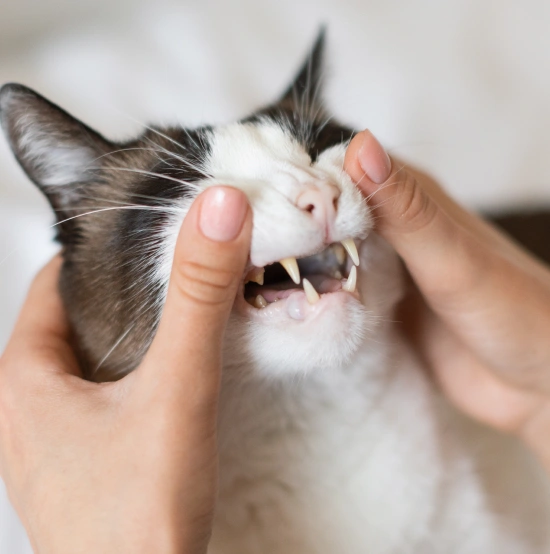

Why Dental Health Matters for Cats
Dental disease is one of the most common health issues we see in cats, affecting the majority of cats by the time they reach just a few years old. Because cats rarely show obvious signs of mouth pain, dental problems often go unnoticed until they become advanced. Left untreated, dental disease can lead to chronic discomfort, tooth loss, and even systemic issues affecting the heart, kidneys, and liver.
At Pet Wellness Group, our cat dental care in Florence is designed to protect your cat's smile, comfort, and long-term health through a combination of in-clinic services and at-home support.
Signs of Dental Disease in Cats
Cats are subtle when it comes to mouth pain, so knowing what to watch for can make a real difference. Common signs of dental disease in cats include:
- Bad breath
- Drooling or pawing at the mouth
- Difficulty eating or chewing on one side
- Decreased appetite or weight loss
- Red, swollen, or bleeding gums
- Yellow or brown buildup on the teeth
- Loose, broken, or missing teeth
- Behavioral changes, like irritability or hiding
If you notice any of these signs, it is worth scheduling a dental exam. Catching issues early often means simpler, more effective treatment.
Dental Exams
A thorough oral exam is the foundation of good dentistry for cats. During every wellness visit, our team carefully evaluates your cat's teeth, gums, and overall mouth health to look for early signs of trouble. For cats with suspected dental disease, we may recommend a more comprehensive exam under anesthesia, which allows us to assess every tooth, the gums, and structures below the gum line that cannot be seen during an awake exam.
Our dental exams help us identify:
- Plaque and tartar buildup
- Gingivitis and periodontal disease
- Tooth resorption, a common and painful condition in cats
- Fractured or damaged teeth
- Oral masses or growths
- Stomatitis and other inflammatory conditions
Early detection allows us to treat issues before they become more painful or complex.
Digital Dental Radiology
Many of the most serious dental issues in cats happen below the gum line, where they are invisible to the naked eye. Digital dental radiology, or dental X-rays, gives us a clear view of the tooth roots, jawbone, and supporting structures, allowing us to diagnose problems that would otherwise go undetected.
Digital dental X-rays help us identify:
- Tooth resorption affecting the roots
- Hidden abscesses or infections
- Bone loss from periodontal disease
- Fractured roots and damaged tooth structures
- Retained baby teeth or other developmental issues
Dental X-rays are a vital part of our dentistry for cats, helping us deliver accurate diagnoses and the most effective treatment plans.
Professional Dental Cleanings
Even with great at-home care, most cats benefit from professional dental cleanings to remove tartar and address issues that brushing cannot reach. Our cleanings are performed under safe, carefully monitored anesthesia, which is the only way to thoroughly clean every surface of every tooth, including below the gum line.
A typical professional dental cleaning at our Florence hospital includes:
- A complete oral exam under anesthesia
- Full-mouth digital dental X-rays
- Scaling to remove plaque and tartar from the teeth and below the gum line
- Polishing to smooth tooth surfaces and slow future buildup
- Treatment for any issues identified during the cleaning, such as extractions or oral surgery
- Continuous monitoring of vital signs throughout the procedure
We take every precaution to keep your cat safe and comfortable from start to finish, including pre-anesthetic bloodwork and individualized anesthesia plans.
At-Home Dental Care
Caring for your cat's teeth at home plays an important role in keeping their mouth healthy between professional cleanings. While not every cat will tolerate brushing, there are several effective ways to support good oral health at home, and our team is happy to help you find what works for your cat.
At-home dental care options include:
- Daily or regular tooth brushing using cat-friendly toothpaste
- Dental treats and chews approved by veterinary dental experts
- Dental diets formulated to reduce plaque and tartar
- Water additives that support oral hygiene
- Oral wipes or gels for cats who do not tolerate brushing
We will walk you through these options and help you build a routine that fits your cat's personality and your daily life.
Compassionate Dental Care for Every Cat
Dental visits can feel stressful for cats, especially those who are sensitive about their faces and mouths being handled. Our team takes a calm, patient approach during every dental exam and procedure, working at a pace that keeps your cat as comfortable as possible. We will also take time to walk you through findings, explain treatment recommendations, and answer your questions so you feel confident in every decision about your cat's dental health.