6052 Ridge Rd, Florence, KY 41042


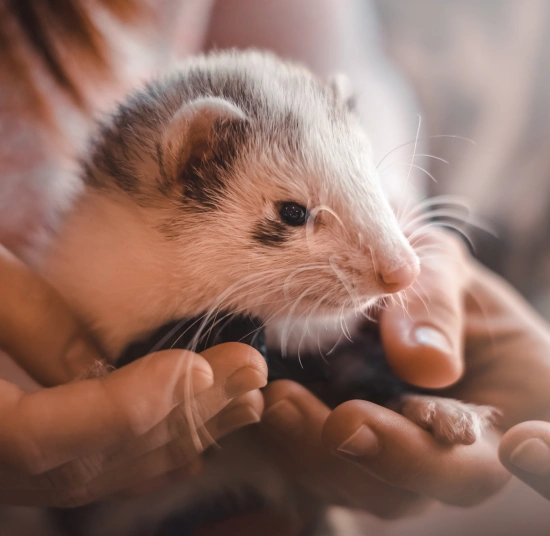

Small Pets Deserve Big Care
Pocket pets may be small, but their health needs are just as important as those of dogs and cats. At Pet Wellness Group in Florence, KY, we provide caring and thorough veterinary services for a variety of small animals, so every pet in your home gets the attention they deserve.
Whether you have a rabbit, guinea pig, hamster, gerbil, rat, or another small companion, our team is here to help them stay healthy and happy.
What Are Pocket Pets?
- Rabbits
- Guinea pigs
- Hamsters
- Gerbils
- Rats and mice
- Chinchillas
- Ferrets
These animals can make wonderful companions, but they do have specific care needs that are different from dogs and cats. Having a vet who understands those needs makes a real difference.
Wellness Exams for Small Animals
Routine checkups are just as important for pocket pets as they are for any other animal. Because small animals often hide signs of illness, regular exams help us catch problems early before they become more serious. We recommend bringing your pocket pet in for a checkup at least once a year, or more often for senior animals.
During a wellness visit, we will:
- Check their weight and overall body condition
- Examine their teeth, eyes, ears, and coat
- Look for any signs of illness or discomfort
- Talk with you about their diet, housing, and daily habits
- Answer any questions you have about caring for your pet
In addition to these benefits, these procedures help control pet overpopulation and reduce the number of animals in shelters.
Common Health Concerns in Pocket Pets
Small animals can develop a range of health issues, and catching them early is key. Some of the most common problems we see include:
- Dental problems: Many pocket pets, like rabbits and guinea pigs, have teeth that grow continuously. Overgrown or misaligned teeth can make eating painful and lead to serious complications.
- Respiratory infections: Small animals can be sensitive to changes in their environment and may develop breathing problems.
- Skin and fur issues: Hair loss, dry skin, or signs of parasites like mites are common in small pets.
- Digestive problems: An improper diet can quickly lead to issues like bloating, diarrhea, or a slowdown in digestion.
- Tumors and lumps: Some pocket pets, particularly rats and hamsters, are more prone to developing lumps that need to be checked.
If you notice any changes in your pet's eating, drinking, movement, or behavior, it is always a good idea to bring them in sooner rather than later.
Nutrition and Housing Guidance
One of the biggest factors in a pocket pet's health is how they are fed and housed. Each species has its own nutritional needs, and getting this right goes a long way in preventing illness.
During your visit, we are happy to walk you through:
- The right diet for your specific pet
- How to set up a safe and comfortable living space
- Enrichment ideas to keep your pet active and engaged
- What to avoid when it comes to food, bedding, and cleaning products
Small changes at home can have a big impact on your pet's overall well-being.