1990 N Bend Rd Suite A, Hebron, KY 41048


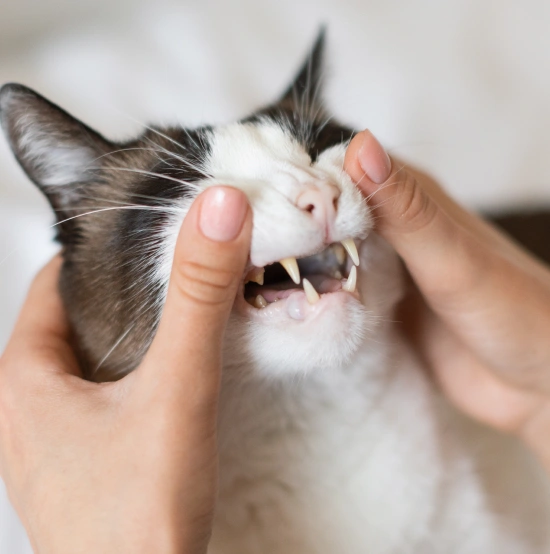

Why Dental Health Matters for Cats
Dental disease is one of the most common health issues in cats, affecting the majority of felines by the time they reach just a few years of age. Yet because cats are so skilled at hiding pain, dental problems often go unnoticed until they have become serious. Beyond bad breath and discomfort, untreated dental disease can lead to infections, tooth loss, and even affect organs like the heart, kidneys, and liver. At Pet Wellness Group, we believe dental care is an essential part of keeping your cat healthy, comfortable, and thriving.
Dentistry for cats is about more than just clean teeth. It is about protecting their long-term health, easing hidden discomfort, and helping them enjoy eating, grooming, and playing without pain.
Recognizing Dental Problems in Cats
Cats rarely show obvious signs of dental pain, even when they are uncomfortable. Knowing what to watch for at home can help you catch issues early and bring them to our attention before they worsen.
Common signs of dental disease in cats may include:
- Bad breath that does not improve
- Drooling or pawing at the mouth
- Difficulty eating or chewing on one side
- Reluctance to eat hard food or treats
- Visible tartar buildup or red, swollen gums
- Loose, broken, or discolored teeth
- Weight loss or decreased appetite
- Changes in grooming habits
- Behavioral changes, such as increased irritability
If you notice any of these signs, scheduling a dental evaluation can help us determine what may be going on and how to help your cat feel better.
Professional Dental Cleanings
Just like people, cats benefit from regular professional dental cleanings to remove tartar, plaque, and bacteria that brushing alone cannot reach. Because cats need to remain still and stress-free during the procedure, dental cleanings are performed under general anesthesia. This allows us to clean above and below the gumline, perform a thorough oral exam, and address any issues we discover, all while keeping your cat safe and comfortable.
A typical dental cleaning at Pet Wellness Group includes:
- Pre-anesthetic bloodwork to ensure your cat is a safe candidate for anesthesia
- Continuous monitoring of vital signs throughout the procedure
- Full-mouth digital dental X-rays to evaluate tooth roots and bone
- Ultrasonic scaling to remove tartar above and below the gumline
- Polishing to smooth tooth surfaces and slow future buildup
- A complete oral exam, including charting of any abnormalities
- Treatment of any issues identified, such as extractions or further imaging
Importance of Dental X-Rays
Much of a cat's tooth structure lies hidden beneath the gumline, where problems can develop without any visible signs. Digital dental X-rays allow us to see what is happening below the surface, helping us identify hidden issues like tooth root infections, bone loss, fractures, and resorptive lesions. This level of detail is especially important for cats, who are prone to certain dental conditions that cannot be diagnosed by visual exam alone.
At-Home Dental Care
Daily dental care at home plays an important role in keeping your cat's teeth and gums healthy between professional cleanings. While brushing your cat's teeth is the most effective option, we know it is not always realistic for every cat or every household. Fortunately, there are several other ways to support your cat's oral health, and we are happy to recommend approaches that fit your lifestyle.
Options for at-home dental care may include:
- Brushing with cat-safe toothpaste, ideally daily or several times per week
- Dental treats and chews designed to help reduce plaque
- Water additives that support oral health
- Dental diets formulated to clean teeth as your cat eats
- Regular monitoring of your cat's mouth for changes
Even small steps can make a meaningful difference, especially when combined with regular professional care.
A Gentle, Cat-Friendly Approach
We know dental visits can feel stressful, both for cats and their people. Our team takes extra care to make every dental appointment as calm and comfortable as possible, from gentle handling during exams to careful monitoring during cleanings. We will also walk you through every step of the process, explain what we find, and provide clear recommendations so you feel confident in the care your cat is receiving.
Whether your cat is due for a routine cleaning or showing signs that something may be wrong, Pet Wellness Group in Hebron is here to help. Contact us today to schedule a dental evaluation and give your cat the healthy smile they deserve.