Blog

The Real Impact of Skipping Preventative Vet Care

Many pet owners wait until their dog or cat seems sick before scheduling a veterinary appointment. While this may seem like a way to save money, skipping preventative vet care can lead to hidden health problems that become more serious and expensive over time.
This guide explains why routine preventive care matters, the risks of delaying veterinary visits, and how regular wellness exams help pets live healthier, longer lives. Understanding the value of preventative care allows you to make informed decisions that support your pet’s well-being.
What Is Preventative Vet Care
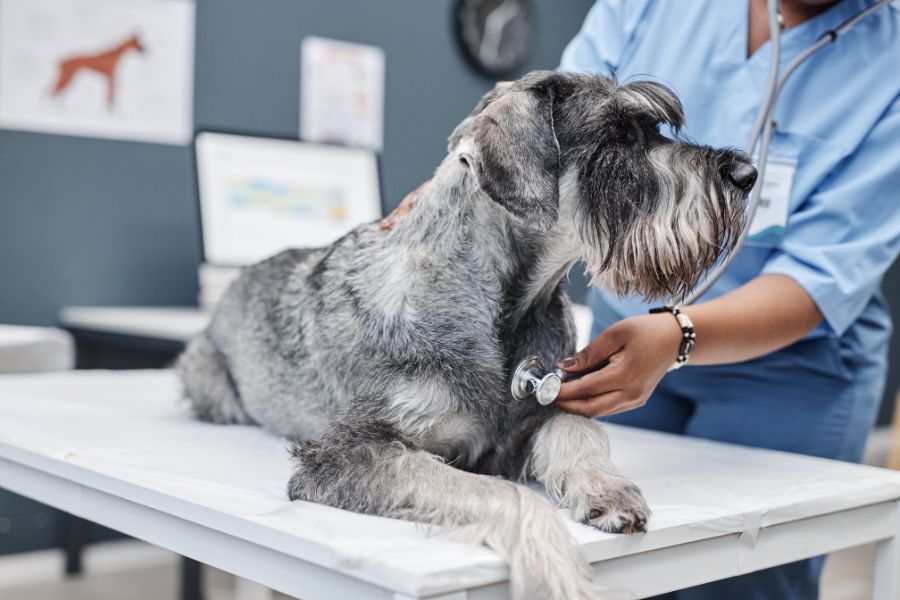
Preventative vet care focuses on keeping pets healthy rather than treating illnesses after they develop. Regular wellness visits allow veterinarians to monitor your pet’s health, identify potential concerns early, and provide recommendations based on age, breed, and lifestyle.
Preventative care typically includes:
- Comprehensive physical examinations
- Weight and body condition assessments
- Dental evaluations
- Parasite prevention guidance
- Nutritional counseling
- Behavioral assessments
- Routine laboratory screenings when appropriate
These visits create a complete picture of your pet’s overall health.
Why Early Detection Matters
Pets are experts at hiding pain and illness. By the time obvious symptoms appear, a condition may already be advanced.
Routine wellness exams help detect problems before they become severe, including:
- Dental disease
- Heart conditions
- Kidney disease
- Liver disorders
- Arthritis
- Diabetes
- Skin conditions
- Hormonal disorders
Early diagnosis often means more treatment options, lower costs, and better outcomes.
The Hidden Costs of Skipping Preventative Vet Care
Many owners skip veterinary visits to reduce expenses, but delaying care often results in much higher costs later.
For example:
- A small dental issue can progress into painful infections.
- Mild weight gain may eventually contribute to joint problems.
- Undetected chronic diseases can require extensive treatment if discovered late.
- Minor skin irritation may become a widespread infection.
Preventative care helps address concerns before they become emergencies.
Chronic Conditions Can Go Unnoticed
Many common diseases develop slowly without obvious warning signs.
Your pet may continue to:
- Eat normally
- Play regularly
- Sleep comfortably
- Behave as usual
Meanwhile, internal changes may already be occurring. Routine examinations and diagnostic testing can identify these issues long before visible symptoms appear.
Dental Health Is Often Overlooked
Oral health plays a major role in your pet’s overall wellness.
Without regular dental evaluations, plaque and tartar can lead to:
- Painful gums
- Loose teeth
- Difficulty eating
- Bad breath
- Bacterial infections
In some cases, untreated dental disease may affect other organs throughout the body.
Regular dental assessments help prevent these complications.
Weight Management Is Part of Preventative Care
Obesity remains one of the most common health concerns among pets.
Extra weight increases the risk of:
- Arthritis
- Diabetes
- Heart disease
- Reduced mobility
- Shortened lifespan
Routine veterinary visits include body condition assessments and nutrition recommendations to help maintain a healthy weight.
Senior Pets Need Even Closer Monitoring
As pets age, their healthcare needs change.
Older pets have a higher risk of developing:
- Arthritis
- Kidney disease
- Heart disease
- Vision changes
- Hearing loss
- Cognitive decline
More frequent wellness visits allow veterinarians to monitor age-related changes and recommend appropriate care before problems significantly affect quality of life.
Behavioral Changes Can Signal Health Problems
Many owners assume behavior changes are simply part of aging, but they may indicate an underlying medical condition.
Examples include:
- Sleeping more than usual
- Increased irritability
- Reduced activity
- Changes in appetite
- Excessive thirst
- House-training accidents
- Hiding or avoiding interaction
A veterinarian can determine whether these changes are behavioral, medical, or a combination of both.
Parasite Prevention Protects Long-Term Health
Parasites can affect pets year-round, even those that spend most of their time indoors.
Routine preventive care helps reduce the risk of:
- Fleas
- Ticks
- Intestinal parasites
- Heartworm disease
Your veterinarian can recommend prevention strategies based on your pet’s lifestyle and local environmental risks.
Building a Health History Matters
Routine visits create a valuable medical record over your pet’s lifetime.
Tracking changes in:
- Weight
- Blood work
- Physical examinations
- Dental health
- Behavior
helps veterinarians recognize subtle trends that may indicate developing health issues.
This long-term perspective often improves diagnosis and treatment decisions.
How Often Should Pets Receive Preventative Vet Care
The ideal schedule depends on your pet’s age, overall health, and lifestyle.
General recommendations include:
- Puppies and kittens require more frequent visits during early growth.
- Healthy adult pets benefit from annual wellness exams.
- Senior pets often need examinations every six months to monitor age-related conditions.
Your veterinarian in Florence can recommend a schedule tailored to your pet’s individual needs.
Signs Your Pet Should Be Seen Sooner
Do not wait for your next scheduled wellness visit if your pet experiences:
- Loss of appetite
- Sudden weight changes
- Vomiting or diarrhea that persists
- Difficulty walking
- Excessive drinking or urination
- Persistent coughing
- Trouble breathing
- Unusual lumps or swelling
- Changes in behavior or energy level
Prompt evaluation helps prevent small problems from becoming major ones.
Benefits of Preventative Vet Care
Consistent preventative vet care provides many long-term advantages, including:
- Earlier disease detection
- Better quality of life
- Lower lifetime medical costs
- Improved dental health
- Healthy weight management
- Personalized nutrition guidance
- Stronger veterinarian-client relationship
- Greater peace of mind for pet owners
Preventive care is one of the most effective investments you can make in your pet’s future.
Conclusion
Skipping preventative vet care may seem harmless when your pet appears healthy, but many illnesses develop quietly long before symptoms become noticeable. Regular wellness exams allow veterinarians to identify concerns early, support lifelong health, and reduce the likelihood of costly medical emergencies. Investing in preventive care today can help your pet enjoy a happier, healthier life for years to come. To keep your companion on the right track, schedule a wellness appointment with Pet Wellness Group in Florence, KY.
FAQs
Q1: What is preventative vet care?
Preventative vet care includes routine wellness exams, health screenings, dental evaluations, nutrition guidance, and parasite prevention designed to keep pets healthy and detect problems early.
Q2: Why is preventative vet care important if my pet seems healthy?
Many diseases develop without obvious symptoms. Routine veterinary visits can identify health concerns before they become serious, improving treatment outcomes.
Q3: How often should my pet receive preventative vet care?
Most healthy adult pets should have an annual wellness exam, while puppies, kittens, and senior pets often benefit from more frequent visits based on their individual needs.
Q4: Can preventative vet care help reduce long-term healthcare costs?
Yes. Detecting health issues early often leads to simpler treatments and helps prevent costly emergency care or advanced disease management.
Q5: What happens during a preventative veterinary visit?
A preventative visit usually includes a comprehensive physical examination, weight assessment, dental evaluation, discussion of diet and behavior, parasite prevention recommendations, and any appropriate diagnostic testing based on your pet’s age and health.