
Blog

Preventive Care Essentials for a Longer, Happier Pet Life
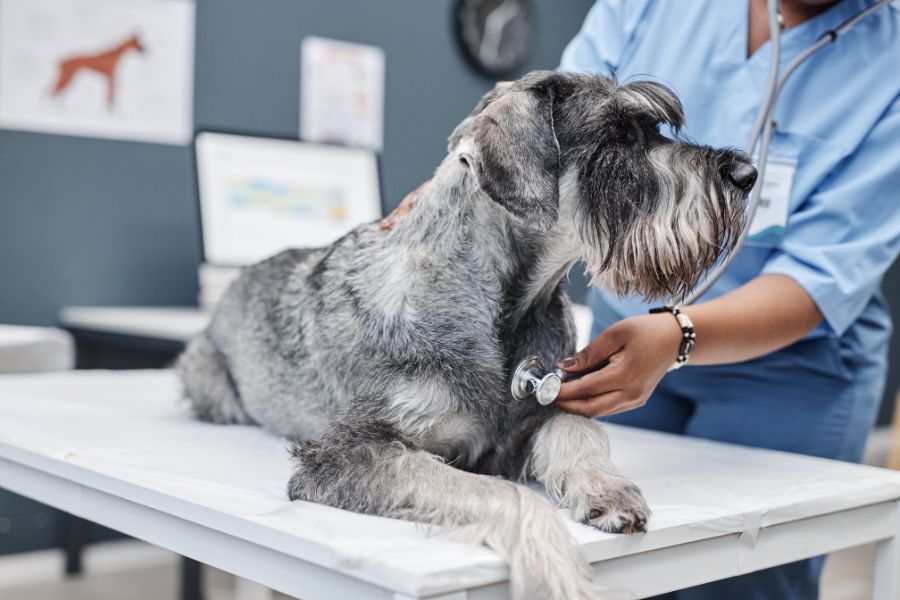
Preventive care is one of the best ways to help your pet enjoy a longer, healthier, and happier life. Regular wellness exams, vaccinations, nutrition guidance, and early disease screening can prevent many common health problems before they become serious. In this guide, you’ll learn the most important preventive care steps every pet owner should know to support lifelong wellness for dogs and cats.
What Is Preventive Care for Pets
Preventive care means taking proactive steps to protect your pet’s health instead of waiting until they become sick. Just like annual checkups are important for people, pets also benefit from regular veterinary visits and healthy daily habits.
Preventive care often includes:
- Routine wellness exams
- Vaccinations
- Parasite prevention
- Dental cleanings and oral care
- Nutrition counseling
- Weight management
- Bloodwork and health screenings
- Senior pet monitoring
- Behavior assessments
These services help identify concerns early, when treatment is often easier and more affordable.
Why Preventive Care Matters
Many illnesses develop slowly and may not show obvious signs at first. Pets are also good at hiding discomfort, especially cats. By the time symptoms appear, the issue may already be advanced.
Benefits of preventive care include:
- Early detection of illness
- Better quality of life
- Longer lifespan
- Lower long-term medical costs
- Improved comfort and mobility
- Stronger immune protection
- Peace of mind for pet owners
Consistent preventive care can make a major difference in your pet’s health journey.
Annual Wellness Exams Are Essential
Routine exams are the foundation of preventive medicine. During a wellness visit, your veterinarian checks your pet from nose to tail and looks for early warning signs.
A typical exam may include:
- Weight and body condition check
- Heart and lung evaluation
- Skin and coat review
- Eye and ear inspection
- Joint and mobility assessment
- Dental exam
- Abdomen palpation
- Behavior and lifestyle discussion
Adult pets often need yearly exams, while puppies, kittens, seniors, and pets with medical conditions may need more frequent visits.
Parasite Prevention All Year Long
Fleas, ticks, heartworms, and intestinal parasites can cause serious health issues. Some parasites can even affect humans.
Monthly prevention helps protect your pet from:
- Flea infestations
- Tick-borne disease
- Heartworm disease
- Roundworms and hookworms
- Skin irritation and allergies
Even indoor pets can be exposed, so year-round protection is usually recommended.
Dental Care Supports Whole-Body Health
Dental disease is one of the most common pet health problems. Bad breath is often a sign of infection or gum disease, not just a nuisance.
Preventive dental care includes:
- Professional cleanings
- Oral exams
- At-home brushing
- Dental chews, when recommended
- Monitoring for broken teeth or pain
Untreated dental disease can affect the heart, kidneys, and overall comfort.
Proper Nutrition and Weight Management
Maintaining a healthy weight is one of the simplest ways to improve lifespan and reduce disease risk. Obesity increases the chance of arthritis, diabetes, heart disease, and mobility issues.
Tips for healthy weight management:
- Feed measured portions
- Choose age-appropriate food
- Limit table scraps
- Use treats in moderation
- Encourage daily exercise
- Recheck weight regularly
Your veterinarian can recommend the best nutrition plan based on breed, age, and activity level.
Early Screening Saves Lives
Diagnostic screening can reveal hidden conditions before symptoms appear. Many diseases respond better when caught early.
Common screening tests include:
- Bloodwork
- Urinalysis
- Fecal testing
- Heartworm testing
- Thyroid screening
- Blood pressure checks
- Imaging when needed
Senior pets especially benefit from regular monitoring, since health changes can happen quickly with age.
Preventive Care for Senior Pets
As pets age, their needs change. Arthritis, kidney disease, vision loss, and cognitive changes become more common in older pets.
Senior preventive care may include:
- Exams every 6 months
- Pain management plans
- Mobility support
- Lab testing
- Diet adjustments
- Dental monitoring
- Home comfort recommendations
Helping senior pets stay comfortable can greatly improve their quality of life.
At-Home Preventive Care Habits
What you do at home matters just as much as clinic visits. Daily observation often catches changes early.
Watch for:
- Appetite changes
- Increased thirst
- Weight gain or loss
- Vomiting or diarrhea
- Limping
- Bad breath
- Lumps or bumps
- Behavior changes
If something feels off, it is always worth contacting your veterinarian.
How Often Should Pets Receive Preventive Care
General guidelines include:
- Puppies and kittens: Multiple visits in the first year
- Healthy adults: At least yearly exams
- Senior pets: Every 6 months
- Pets with chronic illness: As recommended by your vet
A personalized schedule offers the best results.
Strong preventive care habits help pets live longer, feel better, and avoid many preventable illnesses. Routine exams, vaccines, parasite control, dental care, and healthy lifestyle choices all work together to protect your pet’s future. If your companion is due for a checkup, contact your trusted Florence vet. Schedule an appointment and support lifelong wellness with Pet Wellness Group.
FAQs
Q1: What does preventive care mean for pets?
Ans: Preventive care includes regular exams, vaccines, parasite prevention, dental care, and screenings that help stop illness before it becomes serious.
Q2: How often should my pet have a wellness exam?
Ans: Most adult pets need yearly visits, while senior pets often benefit from exams every six months.
Q3: Is preventive care really worth the cost?
Ans: Yes, preventive care often reduces emergency expenses by catching health issues early and preventing costly disease treatment.
Q4: Do indoor pets need preventive care?
Ans: Absolutely, indoor pets still need vaccines, exams, parasite prevention, and dental care to stay healthy.
Q5: What is the most important part of preventive care?
Ans: Routine veterinary exams are one of the most important steps because they help detect hidden health problems early.