1990 N Bend Rd Suite A, Hebron, KY 41048



Caring for the Companion Who Cares for You
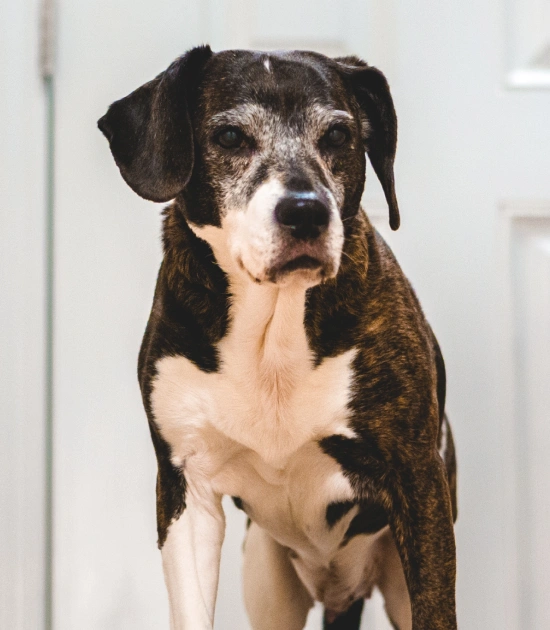
There is something deeply special about a senior dog. They have shared adventures, weathered changes, and become a cherished member of the family. As they enter their later years, their bodies and habits begin to change, and the way we care for them needs to change, too. At Pet Wellness Group, we believe senior dogs deserve thoughtful, patient attention focused on keeping them comfortable, active, and engaged for as long as possible.
Pet care for senior dogs is about more than treating illness. It is about understanding how aging affects every part of your dog's life, from how they move and eat to how they interact with the world around them, and creating a care plan that supports their well-being on every level.
Senior Wellness Care at Every Stage
Dogs age at different rates depending on their breed and size. Smaller breeds typically reach senior status around 8 to 10 years of age, while larger breeds may be considered seniors as early as 6 or 7. Regardless of when your dog enters their golden years, regular wellness visits become more important than ever during this stage of life.
A senior wellness plan at our clinic may include:
- Twice-yearly comprehensive physical exams
- Detailed bloodwork and urinalysis
- Blood pressure monitoring
- Thyroid function testing
- Joint, muscle, and mobility evaluations
- Dental health assessments
- Cardiac evaluations and heart screenings
- Weight, body condition, and muscle mass tracking
- Cognitive and behavioral reviews
- Nutritional consultations and diet adjustments
- Pain management and quality of life conversations
Common Health Concerns in Senior Dogs
Older dogs are more prone to certain health conditions, and being aware of what to watch for can help you partner with our team in keeping your dog comfortable and well.
Conditions we frequently see in senior dogs include:
- Arthritis and degenerative joint disease, which can cause stiffness and reduced mobility
- Heart disease, sometimes signaled by coughing, fatigue, or changes in breathing
- Kidney disease, often detected through changes in thirst and urination
- Liver disease, which may present as decreased appetite or weight loss
- Endocrine disorders, including hypothyroidism and Cushing's disease
- Diabetes, with symptoms like increased thirst, hunger, and urination
- Cognitive dysfunction, which can affect memory, sleep patterns, and behavior
- Vision and hearing changes that may affect daily life
- Dental disease, which can cause pain and contribute to other health problems
- Cancer, which becomes more common as dogs age
If you notice changes in your dog's habits, energy, or appearance, even small ones, it is always worth bringing them up. Many of these conditions respond best to early treatment.
Joint Health and Mobility Support
Arthritis and joint issues are some of the most common challenges senior dogs face, and they can have a real impact on quality of life. Stiff joints, sore hips, and tired muscles can make once-easy activities feel difficult. Many dogs adapt and continue moving despite the discomfort, which means signs of joint pain can go unnoticed for months or years. Our team can evaluate your dog's mobility, identify areas of concern, and create a treatment plan that may include pain management medications, joint supplements, weight management, laser therapy, and lifestyle adjustments. With the right support, many senior dogs regain their stride and enjoy more of the activities they love.
Nutrition and Weight Management for Older Dogs
What your senior dog eats matters more than ever. Older dogs often have different nutritional needs than they did in their younger years, including changes in calorie requirements, protein levels, and specific nutrients to support aging joints, kidneys, and digestion. Maintaining a healthy weight is especially important, as extra pounds can put added strain on joints, the heart, and other organs.
Our nutritional guidance may include:
- Choosing senior-appropriate foods that match your dog's specific health needs
- Adjusting portion sizes to support a healthy weight
- Adding supplements that support joints, cognition, or other systems
- Recommending prescription diets when health conditions call for them
- Discussing safe treats and snacks for older dogs
- Strategies for picky eaters or dogs with reduced appetite
Comfort at Home for Aging Dogs
Small changes around your home can make a big difference in how comfortable your senior dog feels day to day. Simple adjustments help reduce stress on aging joints, support mobility, and create an environment where your dog can rest and move with ease.
Helpful changes you can consider include:
- Providing soft, supportive bedding in quiet, accessible areas
- Using ramps or steps to help with stairs, beds, or vehicles
- Adding non-slip rugs or runners on smooth flooring
- Keeping food and water bowls easy to reach
- Maintaining a consistent routine to reduce confusion or anxiety
- Spending quality time together with gentle activities they enjoy
A Patient, Compassionate Approach
Senior dogs often appreciate a slower pace, and we adjust our visits accordingly. From extra time during exams to gentle handling and quiet exam rooms, our team focuses on making each appointment as low-stress as possible. We also know that caring for an aging dog can bring up emotional moments, including difficult conversations about quality of life and end-of-life care. Whatever you are facing, we are here to listen, provide honest guidance, and support you and your family with kindness.
If your senior dog is due for a wellness visit or you have questions about how to support them through this stage of life, Pet Wellness Group in Hebron is here to help. Contact us today to schedule an appointment.