1990 N Bend Rd Suite A, Hebron, KY 41048


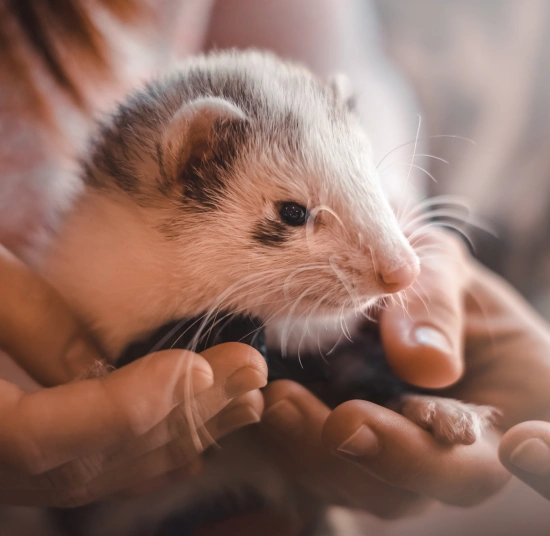

Big Care for Small Companions
Pocket pets may be small, but their health needs are just as important as any other pet. At Pet Wellness Group, we provide attentive, comprehensive care for a wide range of small animals, ensuring every member of your household receives the support they need to stay healthy and happy.
What Are Pocket Pets?
Pocket pets are small animals commonly kept as companions in the home. Popular examples include:
- Rabbits
- Guinea pigs
- Hamsters
- Gerbils
- Rats and mice
- Chinchillas
- Ferrets
While these pets are wonderful companions, they have unique care requirements that differ from dogs and cats. Proper veterinary care tailored to their needs is essential for their well-being.
Wellness Exams for Small Animals
Routine checkups play a vital role in maintaining your pet’s health. Because small animals often hide signs of illness, regular exams help detect issues early before they become serious. Annual visits are recommended, with more frequent checkups for senior pets.
During a wellness exam, we will:
- Evaluate weight and overall body condition
- Examine teeth, eyes, ears, and coat
- Check for signs of illness or discomfort
- Discuss diet, habitat, and daily care
- Answer any questions about your pet’s health
Common Health Concerns in Pocket Pets
Small animals can develop a variety of health issues, and early detection is key. Common concerns include:
- Dental issues: Continuously growing teeth can become overgrown or misaligned
- Respiratory conditions: Sensitivity to environmental changes may lead to breathing problems
- Skin and coat concerns: Hair loss, dryness, or parasites such as mites
- Digestive problems: Poor diet can cause bloating, diarrhea, or slowed digestion
- Lumps or tumors: Certain species are more prone to growths that require evaluation
If you notice any changes in eating, behavior, or activity, it’s best to seek veterinary care promptly.
Nutrition and Housing Guidance
Proper diet and living conditions are essential for your pet’s overall health. Each species has specific nutritional and environmental needs, and meeting these requirements helps prevent many common health issues.
Our team can guide you on:
- Choosing the right diet for your pet
- Creating a safe and comfortable habitat
- Providing enrichment for mental and physical stimulation
- Avoiding harmful foods, bedding, or cleaning products
Even small adjustments at home can make a meaningful difference in your pet’s quality of life.