Blog

10 Rare and Unique Cat Breeds That Are Hard to Find
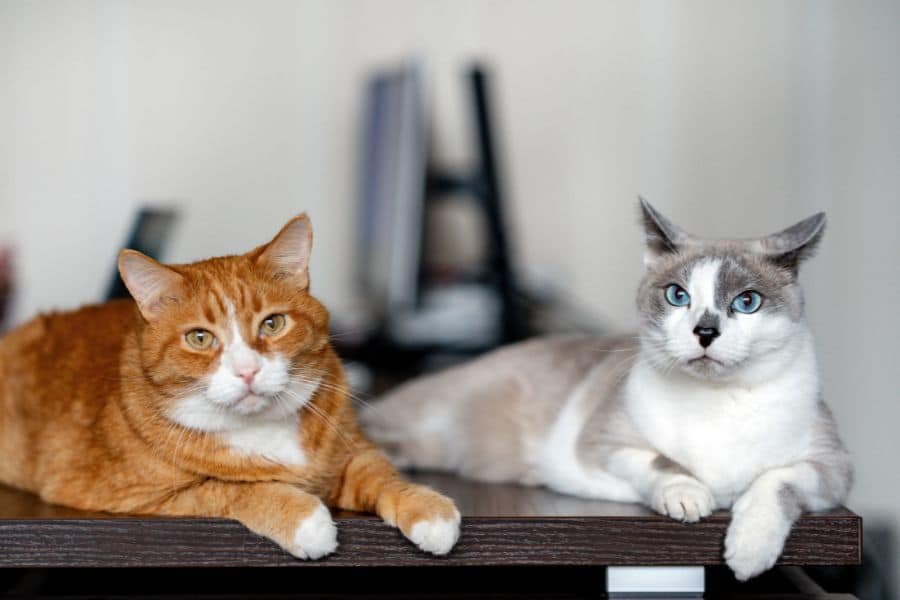
Most people can name a few popular cat breeds, but the feline world includes many unusual breeds that are rarely seen in everyday homes. Some are uncommon because they have small breeding populations, while others are difficult to find because responsible breeders are limited. Their appearance can also make them stand out, from curly coats and folded ears to unusual body shapes and distinctive facial features. At The Pet Wellness Group, Hebron, KY, we know that choosing a cat involves more than falling in love with an unusual appearance. This guide looks at 10 rare and unique cat breeds, their defining traits, personalities, grooming needs, and what prospective owners should consider before bringing one home.
What Makes a Cat Breed Rare or Unique?
A cat breed may be considered rare when relatively few cats are registered or bred compared with more common breeds. Limited breeding programs, geographic availability, and breed-specific characteristics can all affect how easy a particular cat is to find.
Some rare breeds are recognized by major cat organizations, while others are still relatively uncommon or have limited recognition. When considering an unusual breed, look beyond appearance. A cat’s temperament, activity level, grooming needs, and potential health concerns should all fit your household.
1. Turkish Van
The Turkish Van is an athletic cat known for its distinctive color pattern and love of water.
Breed specifications:
- Origin: Turkey
- Size: Medium to large
- Coat: Semi-long and typically white with colored markings around the head and tail
- Personality: Active, intelligent, playful, and independent
- Activity level: High
- Grooming: Moderate
- Unique feature: Often enjoys playing in or around water
Turkish Vans are energetic cats that tend to enjoy climbing, exploring, and interactive play.
They may be a good match for families looking for an active companion rather than a cat that spends most of the day lounging.
2. Egyptian Mau
The Egyptian Mau is one of the few naturally spotted domestic cat breeds.
Breed specifications:
- Origin: Egypt
- Size: Medium
- Coat: Short and spotted
- Personality: Loyal, intelligent, alert, and playful
- Activity level: High
- Grooming: Low
- Unique feature: Naturally occurring spotted coat
Egyptian Maus are known for their athletic ability and strong attachment to their families.
They often enjoy interactive toys and activities that allow them to use their hunting instincts.
3. LaPerm
The LaPerm stands out because of its unusual curly or wavy coat.
Breed specifications:
- Origin: United States
- Size: Small to medium
- Coat: Curly or wavy, available in short and long varieties
- Personality: Affectionate, social, curious, and playful
- Activity level: Moderate
- Grooming: Moderate
- Unique feature: Naturally curly coat
Despite the unusual coat, LaPerm cats can have a gentle and affectionate personality.
Their curls can vary considerably from one cat to another, making each individual look distinctive.
4. American Wirehair
The American Wirehair is recognized for its unusual textured coat.
Breed specifications:
- Origin: United States
- Size: Medium
- Coat: Dense, springy, and wiry
- Personality: Easygoing, affectionate, adaptable, and playful
- Activity level: Moderate
- Grooming: Low to moderate
- Unique feature: Distinctive wiry coat texture
The breed developed from a natural genetic mutation rather than deliberate creation of an unusual coat. American Wirehairs can make adaptable companions for households looking for a relatively easygoing cat.
5. Singapura
The Singapura is one of the smallest recognized domestic cat breeds.
Breed specifications:
- Origin: Singapore
- Size: Small
- Coat: Short and fine
- Personality: Curious, affectionate, energetic, and social
- Activity level: High
- Grooming: Low
- Unique feature: Small size with large expressive eyes
Their small bodies do not mean they lack energy.
Singapuras are often active explorers that enjoy climbing, investigating their surroundings, and interacting with their families.
6. Korat
The Korat is an uncommon breed known for its silver-blue coat and striking green eyes.
Breed specifications:
- Origin: Thailand
- Size: Small to medium
- Coat: Short, close-lying, and silver-blue
- Personality: Intelligent, affectionate, sensitive, and loyal
- Activity level: Moderate to high
- Grooming: Low
- Unique feature: Silver-tipped blue coat and luminous eyes
Korats often form strong bonds with their families.
Because they can be sensitive to their surroundings, a calm and predictable home may suit them particularly well.
7. Peterbald
The Peterbald is an unusual breed known for its range of coat types, including very little hair.
Breed specifications:
- Origin: Russia
- Size: Medium
- Coat: Can range from nearly hairless to short-coated
- Personality: Social, affectionate, intelligent, and active
- Activity level: High
- Grooming: Varies by coat type
- Unique feature: Distinctive hairless or lightly coated appearance
A Peterbald’s grooming needs depend heavily on its coat.
Cats with little or no hair may require additional attention to skin care and protection from environmental conditions.
8. Sokoke
The Sokoke is an uncommon natural breed with a distinctive patterned coat.
Breed specifications:
- Origin: Kenya
- Size: Medium
- Coat: Short with a characteristic tabby pattern
- Personality: Active, intelligent, social, and curious
- Activity level: High
- Grooming: Low
- Unique feature: Distinctive wood-grain-like coat pattern
Sokokes are athletic cats that generally enjoy climbing and exploring.
They may thrive in homes that provide plenty of opportunities for physical activity and mental stimulation.
9. Japanese Bobtail
The Japanese Bobtail is best known for its distinctive short tail.
Breed specifications:
- Origin: Japan
- Size: Medium
- Coat: Short or long
- Personality: Social, intelligent, energetic, and interactive
- Activity level: Moderate to high
- Grooming: Low to moderate
- Unique feature: Short, pom-pom-like tail
The shortened tail is a natural characteristic of the breed.
Japanese Bobtails are often active and people-oriented, making interactive play an important part of daily life.
10. Scottish Fold
The Scottish Fold is easily recognized by its distinctive ears that fold forward and downward.
Breed specifications:
- Origin: Scotland
- Size: Medium
- Coat: Short or long
- Personality: Affectionate, calm, social, and adaptable
- Activity level: Moderate
- Grooming: Low to moderate
- Unique feature: Forward-folding ears
While their appearance attracts many cat lovers, prospective owners should learn about the genetic condition associated with the folded-ear trait.
Responsible breeding and veterinary care are particularly important when considering this breed.
How Should You Choose a Rare Cat Breed?
An unusual appearance should never be the only reason to choose a particular cat.
Before bringing a rare breed home, consider:
- Temperament: Does the breed’s personality fit your household?
- Activity level: Can you provide enough daily exercise and enrichment?
- Grooming: Are you prepared for the coat’s maintenance needs?
- Health: Are you aware of breed-related health considerations?
- Availability: Can you find a responsible breeder or adoption opportunity?
- Family compatibility: Will the cat fit comfortably with children or other pets?
- Veterinary care: Are you prepared for routine wellness visits and preventive care?
Researching these factors can help you choose a cat based on long-term compatibility rather than appearance alone.
Are Rare Cat Breeds More Difficult to Care For?
Not necessarily, some rare breeds have relatively simple grooming needs, while others may require more specialized care. A cat’s individual personality and health can also have a greater impact on daily care than rarity itself.
Regardless of breed, every cat needs:
- A balanced diet
- Fresh water
- Regular veterinary examinations
- Appropriate parasite prevention
- Dental care
- Mental stimulation
- Safe opportunities for exercise
- A clean litter area
- Regular monitoring for changes in behavior or health
A rare breed is still a cat first, and its basic health needs remain just as important.
Conclusion
Rare cat breeds can be fascinating because of their unusual appearances, unique histories, and distinctive personalities. Breeds such as the Turkish Van, Egyptian Mau, LaPerm, Singapura, Korat, and Japanese Bobtail each offer something different, but rarity should not be the only factor when choosing a companion. Consider temperament, activity level, grooming, potential health concerns, and compatibility with your household before making a decision. Most importantly, every cat needs consistent nutrition, enrichment, and veterinary care regardless of breed. If you want any suggestions regarding taking care of your cat breed, then contact a vet near you at The Pet Wellness Group, Hebron, KY, which can help you understand your cat’s individual needs and support their health throughout every stage of life.
FAQs
Q1: What is the rarest cat breed?
A: There is no single universally accepted “rarest” cat breed because population numbers and registration data can vary. Breeds such as the Sokoke, Turkish Van, and Singapura are considered uncommon compared with more widely known breeds.
Q2: What is the most unique-looking cat breed?
A: That depends on personal preference. The Peterbald, Scottish Fold, LaPerm, American Wirehair, and Japanese Bobtail all have distinctive physical traits that make them stand out.
Q3: Are rare cat breeds good family pets?
A: Some rare breeds can make wonderful family companions, but temperament varies by breed and individual cat. Families should consider activity level, social needs, grooming, and compatibility with children before choosing a breed.
Q4: Do rare cat breeds have more health problems?
A: Rarity alone does not mean a breed will have more health problems. However, some breeds have specific inherited health concerns, so researching the breed and working with a responsible breeder and veterinarian is important.
Q5: Where can I learn more about caring for a rare cat breed?
A: A veterinarian can help you understand your cat’s nutritional, wellness, dental, grooming, and behavioral needs. Professional guidance is useful because care requirements can vary between breeds and individual cats.