
Blog

Common Health Issues in Puppies and Kittens
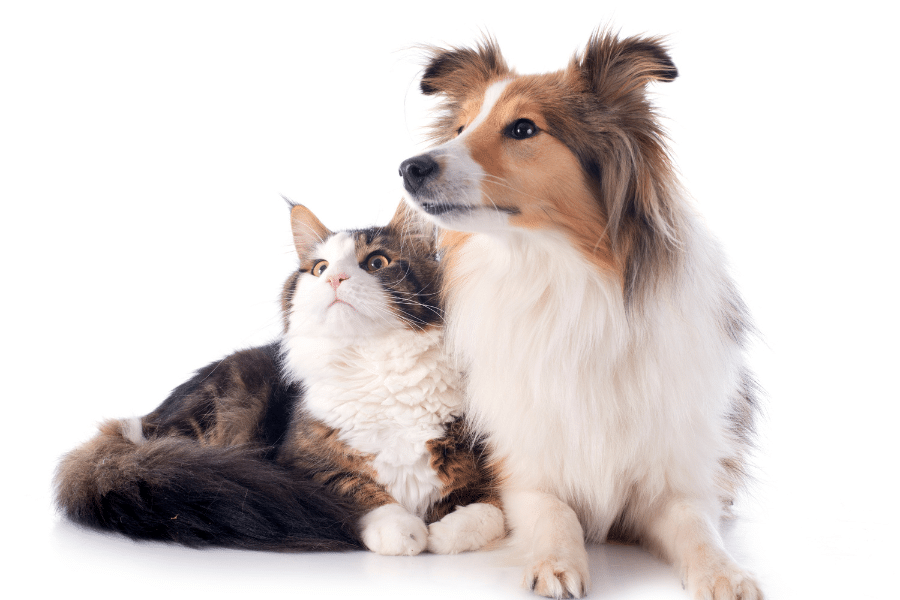
Bringing home a puppy or kitten is exciting, but the first few months can also bring unexpected health concerns. Young pets are still growing, learning, and adjusting to new environments, which can make them more vulnerable to certain illnesses and injuries. Understanding puppy and kitten health issues helps you notice changes before they become bigger concerns. At Pet Wellness Group in Florence, KY, veterinary visits for young pets often focus on growth, nutrition, behavior, and early signs of illness. A puppy or kitten that suddenly stops eating, develops diarrhea, seems unusually tired, or has trouble breathing may need prompt attention. This guide covers common health problems in young pets, signs to watch for, how veterinarians evaluate them, and what you can do at home to support a healthy start.
What Are the Most Common Health Issues in Puppies and Kittens?
Common puppy and kitten health issues include digestive problems, intestinal parasites, respiratory illnesses, skin problems, injuries, and problems related to nutrition or growth. Because young pets can become dehydrated or weak faster than adult animals, noticeable changes should be taken seriously.
Some concerns are minor and resolve with proper care, while others require prompt veterinary evaluation. Your pet’s age, size, breed, environment, and medical history all affect the level of risk.
Watch for changes such as:
- Loss of appetite
- Vomiting or diarrhea
- Unusual tiredness
- Coughing or sneezing
- Trouble breathing
- Persistent scratching
- Poor weight gain
- Changes in stool
- Swollen or painful areas
- Sudden changes in behavior
A healthy puppy or kitten should generally be curious, responsive, and interested in food and normal activities. A clear change from your pet’s usual behavior is worth noting.
What Digestive Problems Can Affect Puppies and Kittens?
Digestive problems are among the most common reasons young pets may need veterinary care. Puppies and kittens can develop diarrhea or vomiting after eating something unusual, changing foods too quickly, experiencing stress, or developing an infection.
Intestinal parasites can also cause digestive symptoms. Some pets may have diarrhea, poor growth, a dull coat, or a swollen-looking abdomen. Others may show very few signs, which is why your veterinarian may recommend appropriate testing.
Common digestive warning signs include:
- Repeated vomiting
- Frequent or watery diarrhea
- Blood in the stool
- Refusing food
- Abdominal discomfort
- Weakness or unusual sleepiness
- Signs of dehydration
A single loose stool does not always mean something serious. However, repeated vomiting or diarrhea in a young pet deserves attention, especially when your puppy or kitten is also refusing food or becoming weak.
What Signs of Illness Should You Watch For in Young Pets?
Puppies and kittens cannot tell you when they feel sick, so behavior changes can provide important clues. A young pet that normally races around the house but suddenly hides or sleeps much more than usual may not simply be tired.
Pay attention to:
- Changes in appetite
- Reduced interest in play
- Hiding or withdrawing
- Persistent coughing or sneezing
- Changes in breathing
- Repeated vomiting
- Diarrhea
- Excessive scratching
- Discharge from the eyes or nose
- Difficulty walking
Young pets can also experience injuries because they are curious and often unaware of hazards. Falls, chewing on unsafe objects, or getting caught in household items can lead to injuries that are not immediately obvious.
If your puppy or kitten cries when touched, avoids using a leg, or suddenly becomes reluctant to move, a veterinary examination can help determine what happened.
How Do Veterinarians Diagnose Puppy and Kitten Health Problems?
A veterinarian begins with a physical examination and questions about your pet’s appetite, stool, behavior, activity, and recent environment. Depending on the symptoms, diagnostic testing may be recommended.
Possible tests include:
- Fecal testing
- Bloodwork
- Urinalysis
- X-rays
- Ultrasound
- Other targeted testing
Consider a hypothetical example. A young kitten becomes unusually quiet and develops repeated diarrhea after being brought into a new home. During the exam, the veterinarian notices mild dehydration and recommends a fecal test along with supportive care. Testing helps identify the likely cause and guides treatment while the kitten is monitored for improvement.
This illustrates why symptoms should not be judged by appearance alone. A small puppy or kitten can become unwell more quickly than an adult pet.
How Are Common Health Problems in Puppies and Kittens Treated?
Treatment depends on the underlying cause. A mild digestive problem may require dietary support and monitoring, while an infection, parasite problem, injury, or more serious illness may require medication or additional treatment.
Your veterinarian may recommend:
- Supportive care
- Dietary adjustments
- Fluids when dehydration is present
- Medication when appropriate
- Treatment for parasites when testing indicates a need
- Follow-up examinations
Do not give human medications to a puppy or kitten unless your veterinarian specifically tells you to do so. Young animals have different needs, and some medications that are safe for people can be dangerous for pets.
Treatment plans also depend on the pet’s weight. Accurate dosing is especially important in very small animals, so veterinary guidance matters.
What Can You Do at Home to Keep a Puppy or Kitten Healthy?
Your home routine plays an important role in preventing avoidable problems. Young pets explore with their mouths and paws, so reducing household hazards can make a major difference.
Helpful habits include:
- Keep small objects off the floor.
- Store household chemicals securely.
- Provide fresh water.
- Feed a balanced diet appropriate for growth.
- Monitor appetite and stool.
- Keep sleeping and feeding routines consistent.
- Supervise play.
- Contact your veterinarian when something changes.
It is also helpful to track your puppy or kitten’s weight. Regular weight checks can show whether your young pet is growing as expected and can help your veterinarian spot changes early.
When Should You Take a Puppy or Kitten to the Vet?
Some symptoms should not wait for a routine appointment. A young pet that is having trouble breathing, repeatedly vomiting, collapsing, becoming extremely weak, or unable to keep food or water down needs prompt veterinary attention.
Contact your veterinarian if your puppy or kitten:
- Stops eating
- Has repeated vomiting or diarrhea
- Becomes unusually weak
- Has difficulty breathing
- Develops significant swelling or pain
- Has blood in vomit or stool
- Experiences a serious injury
- Shows a sudden major behavior change
When you are unsure, it is better to call and explain the symptoms. Your veterinary team can help you decide how quickly your pet should be examined.
Conclusion
Recognizing puppy and kitten health issues early through puppy and kitten care can make a meaningful difference during the first stages of your pet’s life. Digestive problems, parasites, respiratory concerns, injuries, and other illnesses can affect young pets, and symptoms may sometimes progress quickly. Watching your pet’s appetite, energy, stool, breathing, and behavior gives you useful information to share with your veterinarian. If you are looking for a vet near you, then Pet Wellness Group in Florence, KY, can help you understand changes in your young pet’s health and determine when an examination or diagnostic testing is appropriate. With attentive care, a safe home environment, and timely veterinary support, you can give your puppy or kitten a strong foundation for healthy growth.
FAQs
Q1: What are the most common puppy and kitten health issues?
A: Common problems include digestive upset, parasites, respiratory illness, skin problems, injuries, and nutrition-related concerns. Young pets can become sick quickly, so significant changes deserve attention.
Q2: What are the signs of illness in puppies and kittens?
A: Loss of appetite, repeated vomiting, diarrhea, unusual tiredness, coughing, breathing changes, and sudden behavior changes can all be warning signs.
Q3: How are puppy and kitten health problems diagnosed?
A: A veterinarian may perform a physical examination and recommend testing such as fecal testing, bloodwork, urine testing, X-rays, or ultrasound depending on the symptoms.
Q4: How quickly should a sick puppy or kitten see a vet?
A: Timing depends on the symptoms. Repeated vomiting, severe weakness, breathing difficulty, collapse, or an inability to eat or drink should be evaluated promptly.
Q5: When should I take my puppy or kitten to the vet?
A: Contact your veterinarian for significant appetite changes, repeated digestive problems, unusual weakness, breathing problems, serious injuries, or other sudden changes.