
Blog

Preventive Care for Cats: How Routine Vet Visits Add Years to Your Cat’s Life
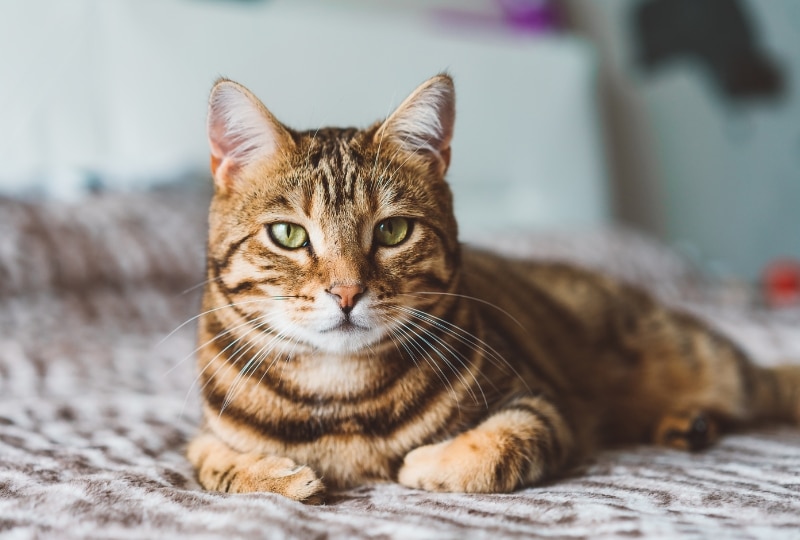
Most cat owners notice something is wrong only after their cat stops eating, hides under the bed, or starts limping. By that point, what could have been a manageable condition has sometimes become a serious one. Preventive care for cats is built around a simple idea: catching problems before they become emergencies. At The Cat Clinic of Pet Wellness in Hebron, KY, routine vet visits are one of the most powerful tools you have for giving your cat a longer, healthier life. In this article, you will learn what preventive care actually involves, what to expect during a wellness exam, and how regular checkups protect your cat at every stage of life.
What Preventive Care for Cats Really Means
Preventive care is not just about treating a sick cat. It is about building a health baseline for your cat, so that any change, however small, can be caught and addressed early.
Think of it this way: cats are masters at hiding discomfort. It is an instinct rooted in survival. A cat with early kidney disease, a developing heart murmur, or a painful tooth may show no outward signs for months. By the time you notice something is off, the condition may have already progressed significantly.
A routine cat wellness exam gives your veterinarian a detailed look at your cat’s health from nose to tail. Weight trends, coat condition, heart and lung sounds, dental health, and organ size are all assessed. Over time, these visits create a picture of what is “normal” for your individual cat, making it much easier to spot anything that shifts.
Preventive care for cats also includes age-appropriate parasite prevention, dental hygiene guidance, nutritional counseling, and behavioral health checks. It is a comprehensive approach, not a single appointment.
What Happens During a Routine Cat Wellness Exam?
Many cat owners are not sure what actually takes place at a wellness visit, especially if their cat seems perfectly fine. Here is what a thorough cat annual checkup typically includes:
- Physical exam from head to tail: Your vet will check your cat’s eyes, ears, teeth, skin, coat, lymph nodes, and abdomen. They will listen to the heart and lungs and feel for any organ changes.
- Weight and body condition scoring: Even a small weight change in a cat can signal an underlying issue. Your vet tracks this over time.
- Blood pressure screening: High blood pressure is surprisingly common in older cats and often goes undetected without testing.
- Bloodwork and urinalysis (as recommended): These tests can reveal kidney function, thyroid levels, blood sugar, liver health, and more, often before symptoms appear.
- Parasite screening: Intestinal parasites, heartworm risk, and flea or tick prevention are reviewed based on your cat’s lifestyle.
- Behavioral and environmental check-in: Your vet may ask about litter box habits, appetite, energy levels, and stress at home. These details often point to early health changes.
The visit usually takes 30 to 45 minutes, and it gives your cat’s care team a complete snapshot of where things stand.
How Early Detection Changes Outcomes?
Early detection in cats is one of the clearest advantages of staying on a routine care schedule. Consider a few common examples:
Chronic kidney disease (CKD) affects a large percentage of cats over age 10. In its early stages, it produces almost no symptoms. A routine blood panel and urinalysis can catch it early, when dietary changes and supportive care can meaningfully slow its progression and preserve quality of life.
Hyperthyroidism is another condition common in middle-aged to senior cats. Weight loss, increased appetite, and hyperactivity are classic signs, but they develop gradually and are often mistaken for aging. Caught early through a simple thyroid test, hyperthyroidism is very manageable.
Dental disease is the most common health condition seen in adult cats, with most showing signs by age three. Left untreated, it causes chronic pain and can contribute to kidney and heart problems. A wellness exam that includes a dental check can catch tartar buildup, gum inflammation, or tooth resorption before they become painful problems requiring extractions.
The pattern is consistent: conditions found early cost less to treat, cause less suffering, and respond better to care.
Indoor Cats Need Preventive Care Too
There is a common belief that indoor cats do not need routine vet care because they are not exposed to the same risks as outdoor cats. This is a misconception worth addressing directly.
Indoor cat health care matters just as much, and in some ways more, because indoor cats are more prone to:
- Obesity, due to lower activity levels, increases the risk of diabetes, joint problems, and liver disease
- Dental disease, since they do not have the natural abrasive diet that outdoor foraging may provide
- Stress-related conditions, including urinary tract issues and over-grooming, are often triggered by changes in the household
- Age-related diseases, since indoor cats tend to live longer, meaning they spend more years in the phase of life where conditions like CKD, hyperthyroidism, and cancer become more likely
An indoor life extends your cat’s lifespan on average, but it does not eliminate health risks. It simply shifts it. Routine care ensures those extra years are healthy ones.
How Often Should Your Cat See a Veterinarian?
The right schedule depends on your cat’s age and health status. Here is a general guide most veterinarians follow:
Kittens (under 1 year): Multiple visits in the first year to monitor growth, development, and overall health as they build their immune systems.
Adult cats (1 to 7 years): Once a year is the standard recommendation for healthy adult cats. These visits establish the baseline that makes future comparisons meaningful.
Senior cats (7 years and older): Twice-yearly visits are strongly advised. Senior cats can experience significant health changes in a short period, and more frequent exams allow for closer monitoring.
Cats with chronic conditions: As often as your veterinarian recommends, based on the specific condition and how well it is being managed.
If something changes between scheduled visits, such as a sudden weight change, difference in litter box habits, or behavioral shift, do not wait for the next scheduled appointment. These changes are worth a call to your vet.
What You Can Do at Home Between Visits?
Preventive cat health tips do not stop at the clinic door. What you do at home between visits plays a meaningful role in your cat’s long-term health.
- Monitor weight monthly: A kitchen scale works well for small cats. Consistent tracking helps you notice gradual changes before they become obvious.
- Watch litter box habits: Changes in frequency, consistency, or the amount of urine can be early signals of urinary, kidney, or digestive issues.
- Check the mouth: Gently lift your cat’s lip and look at the gums. Pale gums, redness along the gum line, or a strong odor are worth reporting to your vet.
- Brush their coat and feel for lumps: Regular grooming time is also an opportunity to notice skin changes, new lumps, or areas your cat reacts to when touched.
- Keep stress low: Cats are sensitive to change. Consistent routines, environmental enrichment, and safe spaces in the home support both mental and physical health.
Bring notes from your observations to each wellness exam. Your firsthand knowledge of your cat’s normal behavior is genuinely useful clinical information.
Why Cat Owners in Hebron Choose Routine Care?
Routine wellness visits are an investment, and it is fair to weigh their value. Here is the practical reality: a cat diagnosed with early-stage kidney disease who receives dietary management and monitoring will typically have years of comfortable life ahead. A cat diagnosed at a late stage faces a much harder road with fewer options.
The math on preventive care tends to work in your favor over time. Early intervention is almost always less expensive and less invasive than emergency or advanced treatment. More importantly, your cat experiences less suffering.
There is also the peace of mind that comes from knowing your cat’s health is being actively watched by someone who knows their history. That relationship between your cat’s care team and your family builds over time, and it makes a real difference in the quality of care your cat receives.
Conclusion
Your cat may not tell you when something is wrong, but a routine wellness exam can. Preventive care for cats is the most reliable way to stay ahead of health issues, catch changes early, and support a long, comfortable life for your pet. The Cat Clinic of Pet Wellness in Hebron, KY, is here to partner with you in that goal, from the kitten stage all the way through your cat’s senior years. If your cat is overdue for a checkup, or if you have never established a routine care schedule, now is a great time to start. Call us to schedule a cat wellness exam and give your cat the proactive care they deserve.
Frequently Asked Questions
Q1: What does preventive care for cats include?
Ans: Preventive care for cats typically includes a full physical exam, weight assessment, dental check, parasite screening, and age-appropriate bloodwork or urinalysis. It may also include nutritional guidance and a review of your cat’s behavior and home environment. The goal is to monitor your cat’s overall health regularly so that any changes can be caught and addressed early.
Q2: How often should a healthy cat see the vet?
Ans: Healthy adult cats generally benefit from an annual cat checkup once a year. Kittens need more frequent visits during their first year, and senior cats (age 7 and older) are typically seen twice a year since age-related conditions can develop and progress more quickly. Your veterinarian may recommend a different schedule based on your cat’s individual health history.
Q3: Can routine vet visits really extend my cat’s life?
Ans: Yes, and there is strong evidence behind this. Routine cat wellness exams allow veterinarians to detect conditions like kidney disease, hyperthyroidism, and dental disease before they cause serious damage. Early detection leads to earlier treatment, which often means better outcomes, lower treatment costs, and more comfortable, higher-quality years for your cat.
Q4: How much does a routine cat wellness exam cost?
Ans: Costs vary depending on your location, the clinic, and what services are included. A basic wellness exam is generally one of the more affordable veterinary visits. When bloodwork or other diagnostics are added, the cost increases, but these tests can catch conditions that would cost significantly more to treat if caught later. Many clinics also offer wellness plans that spread the cost over the year.
Q5: When should I take my cat to the vet between scheduled visits?
Ans: You should contact your vet between routine visits if you notice sudden weight loss or gain, changes in eating or drinking habits, differences in litter box use, unusual lethargy, hiding, difficulty breathing, or any lumps or sores that were not there before. These changes may seem minor, but in cats, they often indicate something worth evaluating sooner rather than later.