

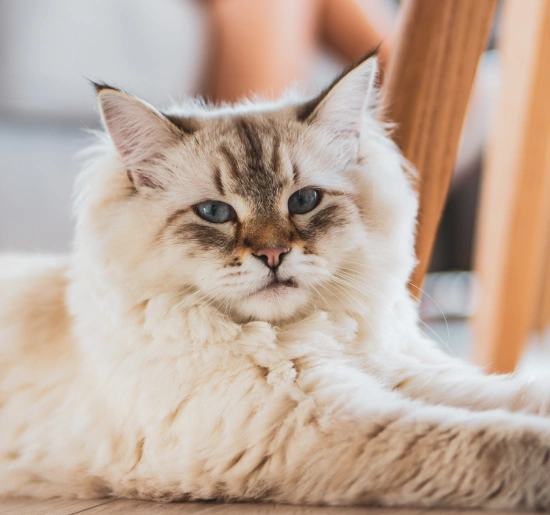

Supporting Your Pet Through Their Golden Years
As pets grow older, their needs begin to change. At Pet Wellness Group, we focus on providing attentive, proactive care to help your senior pet stay comfortable, healthy, and happy throughout every stage of aging.
Caring For Senior Pets
Senior pets require extra attention when it comes to their diet, activity levels, and overall health. More frequent veterinary visits are recommended to monitor changes and catch potential issues early.
During these visits, our team performs:
- Comprehensive physical examinations
- Oral and rectal evaluations
- Checks of the eyes, ears, and internal systems
- Weight monitoring and necessary lab testing
For pets over seven years of age, routine screenings such as blood counts, thyroid testing, and biochemistry profiles help us create personalized care plans and address concerns early.
Bloodwork
Routine bloodwork is an important part of preventive care for aging pets. These tests help detect underlying health conditions before symptoms become noticeable.
We typically perform:
- Complete blood counts (CBC)
- Biochemistry profiles
Regular testing allows for early diagnosis and timely treatment, supporting your pet’s long-term health.
Urinalysis
As pets age, kidney health becomes more vulnerable, and issues may not show visible symptoms until advanced stages. Urinalysis helps detect problems early and monitor overall urinary health.
This test can help identify:
- Kidney disease
- Urinary tract infections
- Diabetes
- Bladder or kidney stones
Including urinalysis in routine exams ensures a more complete understanding of your pet’s health.
Diagnostic Imaging
Changes like slowing down, limping, or weight gain may be part of aging—or signs of an underlying condition. Diagnostic imaging helps provide clarity when symptoms are unclear.
Using tools like X-rays, we can evaluate internal structures and detect conditions such as arthritis, injuries, or organ-related issues. This allows us to develop accurate and effective treatment plans tailored to your pet’s needs.