
Blog

Heat Stroke in Cats: Signs, Causes, and How to Prevent It
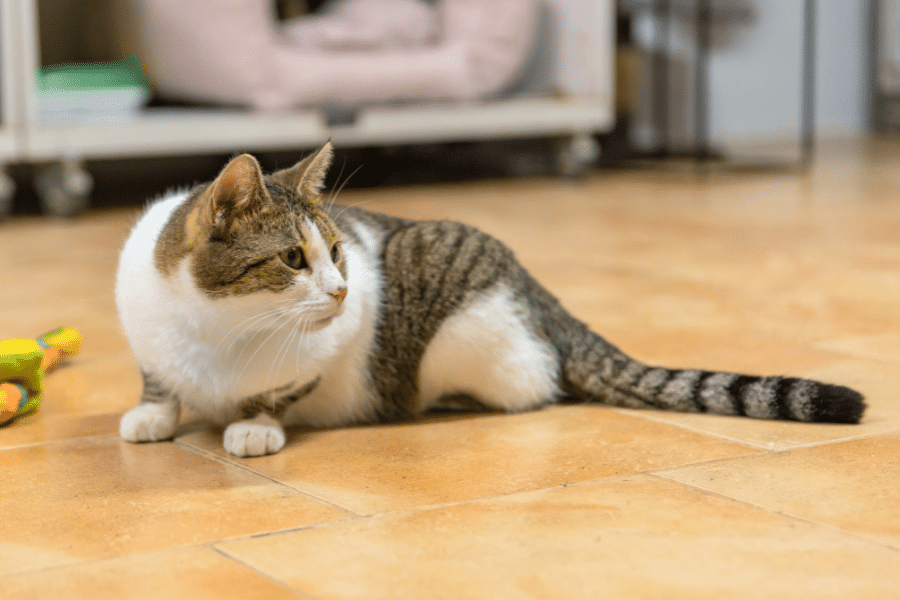
Cats may seem comfortable lounging in warm spaces, but they can become dangerously overheated when temperatures rise. Heat stroke in cats occurs when a cat’s body temperature rises to a dangerous level and cannot cool itself effectively. It can happen outdoors, inside a poorly ventilated home, or when a cat is left in a hot vehicle or enclosed space. Because cats often hide signs of illness, early warning signs can be easy to miss. At The Pet Wellness Group, Hebron, KY, we encourage cat owners to understand how overheating happens and recognize changes before they become severe. This guide explains the signs, common causes, risk factors, and practical ways to help keep your cat safe during hot weather.
What Are the Signs of Heat Stroke in Cats?
Heat stroke in cats can cause rapid breathing, excessive panting, drooling, weakness, vomiting, confusion, and collapse. Because severe overheating can affect multiple organs, a cat showing significant signs needs prompt veterinary attention. Unlike dogs, cats do not commonly pant as a normal response to exercise or heat. Occasional panting can happen when a cat is stressed or overheated, but persistent or heavy panting should not be ignored.
Warning signs to watch for:
- Excessive panting
- Rapid or difficult breathing
- Drooling
- Restlessness
- Weakness
- Unusual lethargy
- Vomiting
- Diarrhea
- Trouble walking
- Confusion or unusual behavior
- Bright red or unusually pale gums
- Collapse
- Seizures
A cat that becomes weak, confused, collapses, or has difficulty breathing needs urgent veterinary care.
Why Can Cats Overheat?
Cats have several ways to regulate body temperature, but they can struggle when the surrounding environment becomes too hot.
Overheating becomes more likely when a cat:
- Is exposed to high temperatures for an extended period
- Has limited access to water
- Cannot reach a cool or shaded area
- Is trapped in a poorly ventilated room
- Is left in a vehicle
- Has difficulty breathing
- Is physically active during very hot weather
- Is unable to move away from a hot environment
Indoor cats are not automatically protected. A closed room without adequate ventilation can become dangerously hot, particularly during summer.
Which Cats Are More Vulnerable to Overheating?
Some cats may have a harder time coping with heat than others.
Cats that may be at greater risk include:
- Kittens
- Senior cats
- Overweight cats
- Cats with heart or respiratory problems
- Cats with other chronic health conditions
- Cats with very thick coats
- Cats with short or flattened facial structures
- Cats that cannot easily escape a hot environment
Age and overall health can affect how well a cat handles heat. If your cat has an existing health condition, ask your veterinarian in Hebron about additional precautions during hot weather.
Can Cats Get Heat Stroke Indoors?
Yes. A cat does not have to be outside to become dangerously overheated.
Indoor risk can increase when:
- Air conditioning stops working
- A room becomes poorly ventilated
- A cat is confined to a hot area
- Fresh water is unavailable
- Sunlight heats a room for several hours
- The cat cannot access a cooler part of the home
During very hot weather, make sure your cat has access to a comfortable, ventilated area with fresh water.
What Should You Do If Your Cat Is Overheating?
If you believe your cat is becoming dangerously overheated, move them to a cooler, well-ventilated location immediately and contact your veterinarian.
You can help begin gradual cooling while arranging veterinary care.
Helpful steps include:
- Move your cat away from direct heat.
- Offer small amounts of cool water if your cat is alert and able to drink.
- Use cool, damp towels around the body.
- Keep the environment well ventilated.
- Contact your veterinarian promptly.
- Transport your cat in a well-ventilated carrier.
Avoid using extremely cold water or ice directly on your cat. Rapid cooling can create additional problems.
If your cat is unconscious, having seizures, struggling to breathe, or unable to swallow, do not force water into the mouth.
Why Is Heat Stroke Dangerous for Cats?
Severe overheating can affect much more than your cat’s comfort.
When body temperature becomes dangerously high, several body systems can be affected.
Potential complications include:
- Dehydration
- Abnormal blood clotting
- Kidney injury
- Liver injury
- Neurological problems
- Damage to other organs
- Shock
This is why heat-related illness should be taken seriously, even if your cat appears to improve after being moved somewhere cooler. A cat that has developed significant symptoms may still require veterinary assessment.
What Causes Heat Stroke in Cats?
Heat stroke can result from environmental heat or situations that prevent normal cooling.
Common causes include:
Hot vehicles: Even with windows partially open, temperatures inside vehicles can rise rapidly.
Poor ventilation: A hot room with little airflow can become unsafe.
Outdoor exposure: Cats without access to shade or water can overheat during hot weather.
Physical activity: Running and playing during very hot conditions increases heat production.
Limited water access: Dehydration makes it harder for the body to regulate temperature.
Underlying health problems: Certain medical conditions can make heat tolerance more difficult.
Understanding these triggers makes prevention much easier.
How Can You Prevent Heat Stroke in Cats?
The best approach is to prevent your cat from becoming dangerously overheated in the first place.
During hot weather:
- Provide fresh water in multiple locations.
- Keep your cat in a cool, ventilated area.
- Provide access to shade.
- Keep blinds or curtains closed during the hottest part of the day.
- Avoid strenuous play during peak heat.
- Never leave your cat inside a parked vehicle.
- Check rooms that may become unusually warm.
- Make sure your cat can move away from direct sunlight.
- Monitor cats that are older, overweight, or medically vulnerable.
A simple change, such as moving a water bowl into a shaded and easily accessible area, can make a difference.
How Can You Tell If Your Cat Is Too Hot?
Cats do not always make their discomfort obvious.
Watch for changes that are unusual for your individual cat.
Possible early clues include:
- Seeking unusually cool surfaces
- Restlessness
- Increased grooming
- Panting
- Drooling
- Reduced activity
- Avoiding food
- Rapid breathing
Panting is especially important because it is not typical behavior for a relaxed cat.
If panting continues after your cat has been moved to a cooler environment, contact your veterinarian.
Hypothetical Example: A Cat Overheats Indoors
Imagine a long-haired cat named Milo whose family leaves him in an upstairs room during a particularly hot afternoon. The room becomes warmer than expected, and Milo begins panting, drooling, and acting weak.
His family moves him to a cooler area and contacts their veterinary team rather than assuming he simply needs rest. Because significant overheating can cause internal complications, veterinary assessment is recommended.
This hypothetical example shows why indoor cats also need protection from extreme heat.
When Should You Seek Veterinary Care?
Mild signs of overheating may improve after your cat is moved to a cooler environment, but serious symptoms should never be ignored.
Seek veterinary care if your cat develops:
- Persistent or heavy panting
- Difficulty breathing
- Severe weakness
- Confusion
- Trouble walking
- Repeated vomiting
- Significant diarrhea
- Collapse
- Seizures
- Unresponsiveness
- Abnormal gum color
If your cat has collapsed or is struggling to breathe, seek veterinary care immediately. Do not rely on home cooling alone when severe symptoms are present.
Conclusion
Heat can become dangerous for cats faster than many owners realize. Panting, drooling, weakness, vomiting, breathing changes, confusion, and collapse are important warning signs that your cat may be struggling with excessive heat. Preventive care starts with fresh water, good ventilation, access to cool areas, and avoiding situations where your cat can become trapped in extreme temperatures. Never leave a cat in a parked vehicle, and take persistent panting or severe weakness seriously. The Pet Wellness Group, Hebron, KY, can help you understand heat-related risks and determine when your cat needs prompt veterinary attention.
FAQs
Q1: How can I tell if my cat is having heat stroke?
A: Heavy panting, drooling, rapid breathing, weakness, vomiting, confusion, trouble walking, and collapse can be signs of dangerous overheating. Severe symptoms require urgent veterinary attention.
Q2: Can indoor cats get heat stroke?
A: Yes. A poorly ventilated or extremely hot room can become dangerous, especially when a cat cannot access a cooler area or fresh water.
Q3: Should I give my overheated cat ice water?
A: Avoid forcing ice-cold water or applying ice directly to your cat. Move your cat to a cooler area, offer small amounts of cool water if they are alert, and contact your veterinarian for guidance.
Q4: Are certain cats more likely to overheat?
A: Kittens, senior cats, overweight cats, cats with thick coats, and cats with certain health conditions may have a higher risk. Cats with breathing difficulties may also have more trouble coping with heat.
Q5: When should I take my cat to the veterinarian for overheating?
A: Seek urgent veterinary care for persistent panting, breathing difficulty, severe weakness, vomiting, confusion, collapse, seizures, or other rapidly worsening symptoms. Do not wait for severe signs to resolve on their own.