
Blog

Essential Pet Diagnostic Tests Explained for Pet Owners
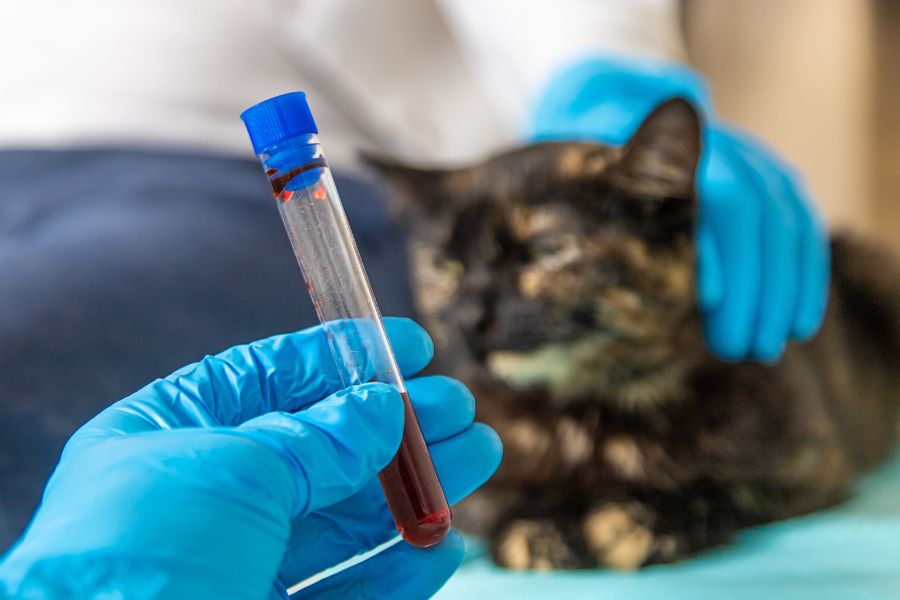
When your pet seems sick or starts acting differently, pet diagnostic tests help veterinarians find answers quickly and accurately. These tests can detect infections, organ issues, pain sources, parasites, and hidden diseases before symptoms become serious. Understanding the most common tests can help you feel more confident during veterinary visits.
In this guide, you’ll learn what pet diagnostic tests are, why they matter, and which tests are often recommended for dogs and cats. We’ll also explain what to expect and how early testing can protect your pet’s long-term health.
What Are Pet Diagnostic Tests
Pet diagnostic tests are medical tools veterinarians use to evaluate your pet’s internal health. Since pets cannot explain how they feel, testing gives valuable insight into what is happening inside the body.
These tests may be used to:
- Diagnose illness or injury
- Detect disease early
- Monitor chronic conditions
- Check organ function
- Identify parasites or infections
- Prepare for surgery safely
- Track treatment progress
Many conditions look similar on the surface, so testing helps your veterinarian make the right diagnosis and treatment plan.
Why Pet Diagnostic Tests Are Important
Some illnesses develop quietly. Pets often hide discomfort until problems become advanced. Routine testing can reveal hidden concerns before they become emergencies.
Benefits of early testing include:
- Faster treatment
- Lower long-term medical costs
- Better recovery outcomes
- Less pain and discomfort
- Improved quality of life
- Peace of mind for pet owners
For senior pets, especially, regular screening is one of the best ways to support healthy aging.
Common Blood Tests for Pets
Bloodwork is one of the most common pet diagnostic tests because it provides a broad picture of your pet’s health.
Complete Blood Count (CBC)
A CBC checks red blood cells, white blood cells, and platelets.
It helps detect:
- Infection
- Inflammation
- Anemia
- Immune disorders
- Blood clotting concerns
Blood Chemistry Panel
This test evaluates organ function and internal balance.
It often checks:
- Liver health
- Kidney values
- Blood sugar
- Protein levels
- Electrolytes
- Pancreatic markers
Blood tests are commonly recommended during annual exams, before anesthesia, or when pets show symptoms like vomiting, lethargy, or appetite loss.
Urinalysis for Dogs and Cats
Urinalysis examines a urine sample to assess hydration, kidney health, and urinary tract function.
It can help identify:
- Urinary tract infections
- Bladder crystals
- Kidney disease
- Diabetes
- Dehydration
- Inflammation
For cats, urinalysis is especially helpful because urinary issues are common and can become urgent quickly.
Fecal Testing for Parasites
Even indoor pets can be exposed to intestinal parasites. A fecal test checks stool samples for parasite eggs or organisms.
Common findings include:
- Roundworms
- Hookworms
- Whipworms
- Giardia
- Coccidia
Some parasites can also affect humans, making routine fecal testing important for household health. Many veterinarians recommend yearly fecal screening, especially for puppies, kittens, and outdoor pets.
X-Rays and Imaging Tests
Imaging allows veterinarians to see inside the body without surgery.
X-Rays
X-rays are useful for checking:
- Broken bones
- Arthritis
- Swallowed objects
- Heart enlargement
- Lung disease
- Intestinal blockages
Ultrasound
Ultrasound uses sound waves to examine soft tissues and organs.
It is often used for:
- Liver and spleen evaluation
- Pregnancy checks
- Bladder stones
- Tumors or masses
- Fluid buildup
- Abdominal pain
Imaging tests are essential when physical exams alone do not provide enough answers.
Skin and Ear Testing
Skin problems are one of the most common reasons pets visit the vet. Diagnostic testing helps identify the true cause instead of guessing.
Common tests include:
- Skin scrapings for mites
- Cytology for bacteria or yeast
- Allergy evaluation
- Fungal testing
- Ear swab microscopy
These tests are helpful for pets with itching, hair loss, redness, odor, or chronic ear infections.
Heartworm and Tick-Borne Disease Testing
Dogs and cats can be exposed to serious vector-borne diseases through mosquitoes and ticks.
Routine screening may test for:
- Heartworm disease
- Lyme disease
- Ehrlichia
- Anaplasma
These illnesses may not show symptoms early, which makes annual screening valuable in many areas.
Thyroid and Hormone Testing
Hormone imbalance can affect energy, weight, skin, and behavior.
Common Uses Include:
- Detecting hypothyroidism in dogs
- Screening for hyperthyroidism in cats
- Evaluating adrenal disease
- Monitoring endocrine treatment plans
If your pet gains weight unexpectedly, drinks more water, or becomes unusually tired, hormone testing may be recommended.
When Your Pet May Need Diagnostic Testing
Call your veterinarian if your pet shows:
- Vomiting or diarrhea
- Loss of appetite
- Increased thirst
- Frequent urination
- Limping
- Weight loss
- Coughing
- Lethargy
- Behavior changes
- Persistent itching
These symptoms can have many causes, and pet diagnostic tests help narrow down the problem quickly.
What to Expect During Testing
Most tests are quick and minimally stressful. Many can be done during a standard office visit.
Here is what may happen:
- Physical examination
- Sample collection (blood, urine, stool, skin cells)
- In-house lab testing or outside lab submission
- Review of results
- Treatment recommendations
Some imaging or advanced tests may require mild sedation depending on your pet’s comfort and condition.
How Often Should Pets Be Tested
Testing schedules depend on age, breed, lifestyle, and health history.
General Guidelines:
- Puppies and kittens, frequent wellness checks
- Healthy adults, yearly wellness screening
- Seniors, every 6 to 12 months
- Chronic illness patients, as advised by your veterinarian
Routine pet diagnostic tests often catch problems before symptoms appear.
Understanding diagnostic testing helps you make informed decisions and protect your pet’s health. From bloodwork to imaging and parasite screening, these tools give veterinarians the information needed to diagnose issues early and treat them effectively. If your pet is due for wellness testing or showing symptoms, schedule an exam with Pet Wellness Group in Hebron, KY, today.
FAQs
Q1: What are the most common pet diagnostic tests?
Ans: The most common tests include bloodwork, urinalysis, fecal exams, X-rays, and parasite screening. These help detect illness early and guide treatment.
Q2: How often should pets get diagnostic tests?
Ans: Healthy adult pets often benefit from yearly screening, while senior pets may need testing every 6 to 12 months.
Q3: Are pet diagnostic tests expensive?
Ans: Costs vary by test type, but routine testing is often more affordable than emergency treatment for advanced illness.
Q4: Do indoor cats need diagnostic testing?
Ans: Yes, indoor cats can still develop kidney disease, thyroid problems, diabetes, and urinary issues that testing can detect.
Q5: Are pet diagnostic tests safe?
Ans: Yes, most tests are safe, quick, and minimally invasive. Your veterinarian will recommend the best options based on your pet’s needs.