Blog

How to Choose a Safe Halloween Costume for Your Dog or Cat
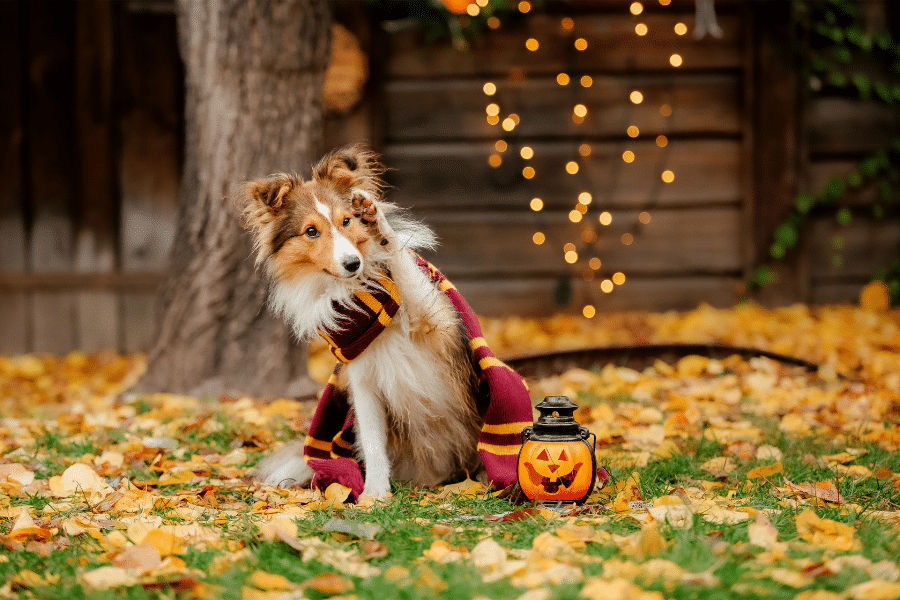
Dressing up a pet for Halloween can be fun, whether you are planning a family photo, a neighborhood walk, or a festive gathering at home. But a costume that looks adorable may feel uncomfortable or make it harder for your pet to move, see, or breathe. Dogs and cats communicate discomfort through body language, and not every animal enjoys wearing clothing. Choosing a safe Halloween costume for your dog or cat means putting comfort, movement, and your pet’s personality ahead of appearance. The Pet Wellness Group in Hebron, KY, encourages pet owners to make Halloween enjoyable without forcing pets into outfits that cause stress or create safety risks.
How Do I Choose a Safe Halloween Costume for My Dog or Cat?
Choose a Halloween costume that fits comfortably, allows natural movement, and does not restrict breathing, vision, hearing, or walking. Avoid loose pieces, small decorations, dangling strings, and anything your pet might chew or swallow. Most importantly, let your pet’s comfort guide the decision, and remove the costume if your animal shows signs of distress.
A safe costume should allow your pet to walk, sit, lie down, turn around, and use the bathroom without difficulty. Your pet should also be able to pant normally, particularly if they are a dog, because panting helps regulate body temperature.
Before choosing an outfit, consider these points:
- Fit: The costume should not press tightly against the neck, chest, legs, or abdomen.
- Movement: Your pet should be able to walk, stretch, sit, and lie down naturally.
- Breathing: Nothing should cover the nose or mouth or interfere with normal breathing.
- Vision and hearing: Avoid masks, hoods, or headpieces that block sight or cover the ears in a way that causes distress.
- Materials: Choose soft, lightweight materials without sharp edges or irritating parts.
- Small pieces: Avoid buttons, bells, beads, and decorations that could be chewed off and swallowed.
- Fasteners: Check that straps, snaps, and closures do not pinch skin or catch on objects.
A simple bandana or a lightweight themed accessory may be a better choice than a full-body costume. Some pets tolerate clothing well, while others find even a small accessory upsetting.
Never assume that a pet is comfortable just because they remain still. Some animals freeze when stressed. Watch how your pet moves and responds, and remove the outfit if they appear uncomfortable.
What Costume Hazards Should Pet Owners Avoid?
Some costume designs create risks that are easy to overlook. Tight clothing can restrict movement, dangling parts can catch on furniture, and small decorations may become choking hazards. Costumes that cover the face can also interfere with a pet’s ability to see obstacles or breathe comfortably.
Avoid these features when choosing an outfit:
- Tight neck openings: These can put pressure on the throat or interfere with comfortable movement.
- Long strings, ribbons, or loose fabric: These may become tangled around the legs or caught on nearby objects.
- Small detachable decorations: Beads, buttons, bells, and plastic pieces can be swallowed.
- Heavy or bulky accessories: These may make it difficult for your pet to balance or move naturally.
- Face coverings: Masks and hoods can obstruct vision, breathing, or normal sensory awareness.
- Sharp or rigid pieces: Plastic spikes, wire supports, and hard edges can scratch or injure your pet.
- Heat-trapping materials: Thick costumes can cause overheating, particularly during active play or warm weather.
- Unsecured capes or wings: These may drag, catch, or frighten a pet when they move.
Check the costume before every use. Look for loose stitching, torn fabric, exposed fasteners, or decorations that could come off. A costume that fit last year may not fit properly now, especially if your pet has grown or changed weight.
Do not leave your pet unattended while wearing a costume. Even a well-fitted outfit can become tangled or damaged during play. Remove the costume before your pet rests in a crate or other confined space if any part could catch or wrap around them.
If your pet chews or swallows part of a costume, contact a veterinarian for guidance. Seek urgent care if your pet is choking, struggling to breathe, repeatedly vomiting, or showing severe distress.
How Can I Tell If My Pet Is Uncomfortable in a Costume?
Pets often show discomfort through body language rather than making an obvious sound. A dog may freeze, lower its head, tuck its tail, or repeatedly try to remove the outfit. A cat may crouch, flatten its ears, hide, or walk unusually when wearing clothing.
Look for these signs that your pet may not be comfortable:
- Repeated pawing, scratching, or biting at the costume.
- Freezing in place or refusing to walk.
- Flattened ears, a tucked tail, or a tense body.
- Hiding, trying to escape, or avoiding interaction.
- Growling, hissing, whining, or repeated vocalizing.
- Rapid breathing, excessive panting, or signs of overheating.
- Trouble sitting, lying down, or moving normally.
A single sign does not always mean your pet is frightened, but several signs together suggest the outfit should come off. Cats may become very still when uncomfortable, so do not judge their response only by whether they struggle.
Hypothetical example: A dog wears a lightweight costume for a family photo but begins scratching at the straps and refuses to walk across the room. The family removes the outfit and notices that the dog quickly returns to normal movement and behavior. They choose a simple Halloween bandana instead, allowing the dog to join the celebration without wearing a restrictive costume.
If your pet becomes distressed, remove the costume calmly. Do not punish, scold, or force the animal to continue wearing it. If signs such as heavy breathing, weakness, or persistent distress continue after the outfit is removed, contact a veterinarian.
Your pet does not need to wear a costume to be part of Halloween. A comfortable pet is more important than a perfect photo.
How Can I Help My Dog or Cat Get Used to a Costume?
If your pet seems comfortable with clothing, introduce the costume gradually before Halloween. Allow your pet to sniff and inspect the outfit first. Begin with a brief trial and reward calm behavior, but stop if your pet shows signs of fear or discomfort.
Follow these steps:
- Let your pet explore the costume: Place it nearby and allow your animal to investigate at their own pace.
- Start with a small accessory: A lightweight bandana or simple garment may be easier to tolerate than a full costume.
- Keep the first try brief: Put the item on for a short period while you supervise closely.
- Reward relaxed behavior: Offer praise or a pet-safe treat if your animal remains comfortable.
- Check the fit again: Make sure the outfit has not shifted, twisted, or become too tight.
- Increase the time only if your pet is comfortable: There is no need to extend wear if your pet resists or seems stressed.
Do not force your pet into a costume or hold them still while fastening an outfit they clearly dislike. This can increase fear and make future handling more difficult.
Cats may be especially uncomfortable with full-body clothing because it changes how their bodies feel when they move. If your cat avoids the costume, let it go and consider a festive collar accessory only if your cat already tolerates collars safely.
Keep introductions away from noisy parties or crowds. A calm room makes it easier to notice your pet’s response without adding extra stress.
Even if your pet tolerates the costume at home, check their comfort regularly when wearing it. Remove the outfit if your pet becomes hot, tangled, tired, or upset.
Are There Safer Alternatives to a Full Halloween Costume?
Yes. Your pet can join the Halloween fun without wearing a full costume. Simple accessories, festive bedding, themed toys, or a photo setup can create a seasonal look while allowing your pet to move naturally.
Consider these alternatives:
- A lightweight bandana: Choose one that fits comfortably and does not have dangling parts.
- A pet-safe festive collar accessory: Use only if your pet already tolerates the collar and the accessory does not create a snagging or choking risk.
- A themed photo backdrop: Place your pet in front of a seasonal background instead of dressing them up.
- A Halloween-themed bed or blanket: A comfortable resting spot can add a festive touch without putting anything on your pet.
- A favorite toy or pet-safe treat: Let your pet enjoy the celebration in a familiar way.
- A simple photo prop held by a person: Keep props away from your pet’s mouth and do not leave small items within reach.
Always supervise pets around decorations and props. Plastic spiders, fake cobwebs, ribbons, strings, and small decorative pieces may be tempting to chew or swallow. Keep these items out of reach, especially when your pet is unsupervised.
If you plan to take your dog outside in a costume or accessory, make sure the leash and walking equipment remain secure and easy to use. Do not attach a leash to costume fabric or an accessory that is not designed to handle pulling.
A festive photo can be quick and simple. Allow your pet to leave the setup whenever they want, and avoid repeated attempts if they seem anxious.
How Can I Keep My Pet Safe During Halloween Activities?
Costume safety is only one part of preparing your pet for Halloween. Visitors, loud noises, open doors, unfamiliar decorations, and food left within reach can create additional hazards. A calm environment and close supervision can help your pet feel safer during the festivities.
Before Halloween, consider these precautions:
- Set up a quiet room where your pet can retreat from visitors and noise.
- Make sure your pet cannot slip through an open door when guests arrive.
- Keep candy, chocolate, and party foods out of reach.
- Store small decorations, batteries, ribbons, and plastic pieces securely.
- Check that your pet’s collar or walking equipment fits properly.
- Keep pets away from candles, electrical cords, and other decorations that could cause injury.
- Supervise interactions between pets, children, and guests.
- Remove costumes or accessories if your pet becomes stressed or overheated.
Dogs that become anxious around crowds may be more comfortable resting in a quiet area than greeting every guest. Cats often prefer a familiar hiding place away from the activity.
Do not leave a costumed pet outside unattended. The outfit may catch on fencing or branches, and unfamiliar sights and sounds can increase the risk of escape.
If your pet becomes distressed, give them space rather than insisting they participate. Halloween should be enjoyable for the whole household, including the animals.
Conclusion
A safe Halloween costume should fit well, allow free movement, and never interfere with breathing, vision, or hearing. Avoid small detachable decorations, dangling strings, tight straps, heavy materials, and anything your pet may chew or swallow. Introduce clothing gradually, supervise your pet while the costume is on, and remove it immediately if signs of stress appear. Simple accessories or a festive photo backdrop can be just as fun as a full outfit. If you are searching for a vet near you, then The Pet Wellness Group in Hebron, KY, encourages pet owners to put comfort and safety first when including pets in Halloween activities. If your pet dislikes wearing a costume, letting them celebrate without one is the kindest choice.
Frequently Asked Questions
Q1: Is it safe for dogs and cats to wear Halloween costumes?
A: Costumes may be safe for some pets when they fit properly and do not restrict movement, breathing, or vision. Always supervise your pet and remove the outfit if they seem uncomfortable. Pets that dislike clothing should not be forced to wear it.
Q2: How do I know if my pet’s Halloween costume is too tight?
A: Watch for restricted movement, difficulty sitting or walking, pressure around the neck or chest, and changes in breathing. Check the fit while your pet moves naturally, not just while standing still. If the costume pinches, shifts, or causes discomfort, remove it.
Q3: Can I leave my dog or cat alone while wearing a costume?
A: No. A costume can become tangled, damaged, or caught on furniture and other objects. Keep your pet supervised and remove the outfit before leaving them alone, particularly if it has straps, loose fabric, or detachable parts.
Q4: What should I do if my pet eats part of a Halloween costume?
A: Contact your veterinarian for advice, especially if your pet swallowed fabric, string, plastic, or a small decoration. Do not induce vomiting unless a veterinarian specifically instructs you to do so. Choking, breathing difficulty, repeated vomiting, or severe distress requires urgent veterinary attention.
Q5: What is a good alternative if my pet hates costumes?
A: A simple photo backdrop, festive blanket, or comfortable pet-safe accessory may be a better option. Keep decorations and small props out of reach, and let your pet move away whenever they want. Your pet can be part of Halloween without wearing an outfit.