Blog

10 Common Dental Problems in Pets and Signs to Watch For
Your pet may continue eating and playing even when something hurts inside the mouth. That is one reason dental disease can go unnoticed for a long time. Dental problems in pets can affect the teeth, gums, and other parts of the mouth, and early signs are often easy to overlook. At Pet Wellness Group in Hebron, KY, dental care can help identify oral problems before they become more painful or difficult to manage. Bad breath, drooling, chewing changes, red gums, or dropping food should not simply be dismissed as normal aging. This guide explains ten common dental problems, the signs your pet may show, how veterinarians diagnose oral disease, and what you can do to support better dental health at home.
What Are the Most Common Dental Problems in Pets?
The most common dental problems in pets include plaque buildup, tartar, gum inflammation, periodontal disease, broken teeth, tooth infections, oral growths, retained teeth, painful chewing, and advanced dental disease. Some problems begin quietly and become more noticeable as they progress.
Your dog or cat may not show obvious pain until the condition is advanced. Regular oral examinations can therefore help detect changes earlier.
Ten common problems include:
- Plaque buildup
- Tartar accumulation
- Gingivitis
- Periodontal disease
- Broken or fractured teeth
- Tooth root infections
- Retained baby teeth
- Painful chewing
- Oral growths
- Advanced tooth and gum disease
Not every pet develops all of these problems, but knowing the warning signs can help you act sooner.
Why Does Bad Breath Matter in Dogs and Cats?
Bad breath is often one of the first signs owners notice. While a pet’s breath may not smell fresh after eating, persistent strong odor can indicate a dental problem.
Plaque contains bacteria that can collect around the teeth. Over time, plaque can harden into tartar, which is more difficult to remove through ordinary brushing.
Watch for other changes that occur with bad breath, such as:
- Red or swollen gums
- Drooling
- Chewing on one side
- Dropping food
- Reduced interest in hard food
- Pawing at the mouth
Bad breath alone does not tell you exactly what is wrong. A veterinary oral examination is needed to determine the cause.
What Does Gingivitis Look Like?
Gingivitis is inflammation of the gums. The gums may appear red, swollen, or irritated, especially around the edges of the teeth.
Early gum inflammation may be easier to manage than advanced dental disease. If plaque continues to build up, inflammation can worsen and affect deeper tissues supporting the teeth.
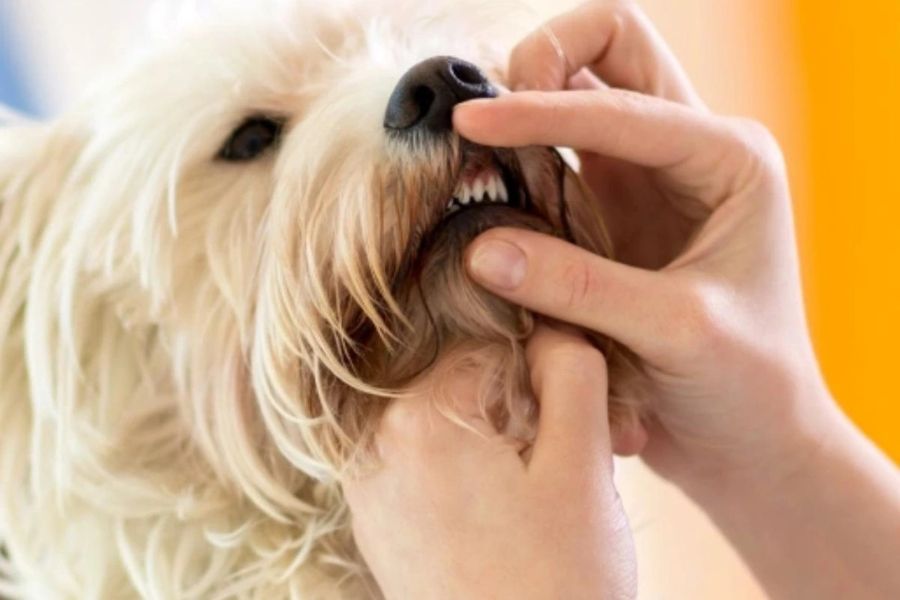
Pet owners should regularly look for changes in gum appearance. If your pet resists having the mouth examined, do not force the process. Your veterinarian can safely assess the mouth during an examination.
How Can Periodontal Disease Affect Pets?
Periodontal disease affects the tissues that support the teeth. It can lead to discomfort, gum recession, loose teeth, and other oral problems.
A pet with advanced dental disease may continue eating because eating is important to them. This does not mean the mouth is comfortable.
Possible signs include:
- Persistent bad breath
- Red or bleeding gums
- Loose teeth
- Dropping food
- Difficulty chewing
- Excessive drooling
- Swelling around the mouth
Dental disease can also make eating less enjoyable. Some pets begin avoiding certain foods or chewing differently to reduce discomfort.
What Other Dental Problems Should Owners Watch For?
Not every dental problem is caused by plaque. Broken teeth can occur when pets chew on hard objects, while retained baby teeth can create crowding and make cleaning more difficult.
Tooth infections can also develop when a tooth becomes damaged. Pets may show swelling, drooling, reduced appetite, or sensitivity around the face.
Other concerns include oral growths and unusual changes in the mouth. Any new lump, swelling, bleeding area, or persistent sore spot should be checked by a veterinarian.
A pet that suddenly stops allowing its face or mouth to be touched may also be experiencing discomfort.
How Do Vets Diagnose Dental Problems in Pets?
A veterinarian begins with an oral examination and looks for visible changes in the teeth and gums. In some cases, a more detailed dental evaluation is needed to identify problems below the gumline.
Consider a hypothetical example. A middle-aged dog comes in because the owner has noticed strong breath and slower chewing. During the examination, the veterinarian sees significant tartar and irritated gums around several teeth and recommends a professional dental evaluation to determine the extent of the disease.
Dental assessment allows the veterinary team to identify problems that may not be visible during a quick look at the mouth.
How Are Dental Problems Treated?
Treatment depends on the specific condition. Some pets need professional cleaning, while others may require treatment for damaged or diseased teeth.
A veterinary dental plan may involve:
- Professional cleaning
- Dental X-rays when indicated
- Treatment of painful teeth
- Removal of severely damaged teeth when necessary
- Home dental care
- Follow-up monitoring
Your veterinarian in Hebron can explain which approach is appropriate after evaluating your pet’s mouth. Treatment should focus on removing disease and keeping your pet comfortable.
What Can You Do to Protect Your Pet’s Dental Health?
Home care can help slow plaque buildup and support healthier teeth and gums. The best routine depends on your pet’s temperament and oral health.
Useful habits include:
- Brush your pet’s teeth when they tolerate it.
- Use products recommended for pets.
- Introduce brushing gradually.
- Monitor the mouth regularly.
- Attend routine veterinary examinations.
- Avoid extremely hard objects that may fracture teeth.
Do not force a toothbrush into a pet’s mouth. A gradual approach is usually easier and safer.
When Should You See a Vet About Your Pet’s Teeth?
Schedule a veterinary examination if you notice persistent bad breath, red or bleeding gums, loose teeth, swelling, drooling, chewing changes, or difficulty eating.
Seek prompt veterinary attention when your pet has:
- Significant facial swelling
- Severe mouth pain
- Heavy bleeding
- Trouble eating or drinking
- Sudden inability to close the mouth
- Marked weakness alongside oral symptoms
Dental problems are easier to address when identified before they become advanced. Your veterinarian can help determine the next step.
Conclusion
Recognizing dental problems in pets through pet dental care is an important part of keeping dogs and cats comfortable as they age. Bad breath, red gums, tartar, broken teeth, chewing changes, and drooling can all signal an oral problem that deserves attention. Pets often hide pain, so changes in eating or behavior may be the first clues you notice. Pet Wellness Group in Hebron, KY, can evaluate your pet’s mouth, identify dental concerns, and recommend an appropriate care plan. Regular examinations and consistent home dental care can help you catch problems earlier and support your pet’s long-term oral health.
FAQs
Q1: What are the most common dental problems in pets?
A: Common problems include plaque, tartar, gingivitis, periodontal disease, broken teeth, infections, retained teeth, and other oral conditions.
Q2: How can I tell if my pet has dental pain?
A: Drooling, bad breath, chewing changes, dropping food, pawing at the mouth, or avoiding food can indicate oral discomfort.
Q3: How are dental problems in pets treated?
A: Treatment depends on the condition and may include professional cleaning, dental imaging, treatment of damaged teeth, or home dental care.
Q4: How often should my pet have a dental check?
A: Dental health should be assessed during routine veterinary examinations. Your veterinarian can recommend how often your individual pet needs a more detailed evaluation.
Q5: When should I take my pet to the vet for a dental problem?
A: Contact your veterinarian for persistent bad breath, bleeding gums, swelling, loose teeth, chewing changes, or signs of pain. Significant swelling, bleeding, or difficulty eating requires prompt attention.