Blog

My Pet Has Diarrhea: When To Visit the Urgent Care Clinic
Has your pet suddenly started having diarrhea? It is one of the most common reasons pet owners seek veterinary care, but it is also one of the most confusing. A single loose stool may not always mean an emergency, while repeated episodes or diarrhea accompanied by other symptoms can quickly become serious. At Pet Wellness Group in Hebron, KY, we understand how stressful it is to see your pet uncomfortable and wonder whether you should wait or seek immediate care. This guide explains what causes pet diarrhea, the warning signs you should never ignore, and when an urgent care visit is the safest choice for your furry family member.
When Is Pet Diarrhea an Urgent Care Situation
Pet diarrhea becomes an emergency when it is severe, frequent, contains blood, lasts longer than 24 hours, or occurs alongside symptoms such as vomiting, weakness, dehydration, or loss of appetite. Puppies, kittens, senior pets, and animals with existing medical conditions should be evaluated sooner because they can become dehydrated much faster than healthy adults.
Not every episode of diarrhea requires an urgent trip to the veterinarian. Pets occasionally develop loose stools after eating something unusual or experiencing mild stress. Many of these cases improve within a day with appropriate veterinary guidance.
However, diarrhea is a symptom rather than a disease itself. It tells you that something is affecting your pet’s digestive system. The underlying cause may be relatively minor, or it may indicate a condition that needs immediate medical attention.
As you monitor your pet, pay attention to more than just the stool. Consider:
- How often the diarrhea occurs
- Whether blood or black stool is present
- Your pet’s energy level
- Appetite and water intake
- Vomiting or other symptoms
- Any recent dietary changes or possible toxin exposure
Looking at the complete picture helps determine whether your pet can safely be monitored or should be seen by a veterinarian right away.
What Causes Pet Diarrhea
There are many possible reasons a pet develops diarrhea. Some causes resolve quickly with supportive care, while others require diagnostic testing and medical treatment.
Common causes include:
- Sudden diet changes
- Eating spoiled food or garbage
- Food intolerance
- Stress or anxiety
- Intestinal parasites
- Bacterial infections
- Viral infections
- Foreign objects in the digestive tract
- Toxin exposure
- Pancreatitis
- Liver disease
- Kidney disease
- Certain medications
- Inflammatory bowel conditions
Because the list is so broad, it is impossible to determine the exact cause based only on loose stool.
For example, a dog that sneaks table scraps may simply experience temporary stomach irritation. Another dog with the same diarrhea could have swallowed part of a toy that is creating a dangerous intestinal blockage.
Cats present similar challenges. A young cat with mild diarrhea may have a sensitive digestive system, while another may be showing the first signs of a more serious illness.
This is why veterinary evaluation becomes important whenever diarrhea persists, or your pet shows additional symptoms.
Signs and Symptoms That Mean You Should Not Wait
Many pets continue acting fairly normal despite mild digestive upset. Others show warning signs that indicate the condition may be progressing quickly.
Contact an urgent care clinic immediately if your pet has:
- Repeated episodes of diarrhea within several hours
- Bloody diarrhea
- Black, tar-like stool
- Vomiting along with diarrhea
- Extreme lethargy
- Refusal to eat
- Signs of dehydration
- Pale gums
- Abdominal pain
- Collapse
- Difficulty standing
- Suspected toxin ingestion
- Swollen abdomen
Young puppies and kittens deserve special attention because they have very little reserve. Even a relatively short period of diarrhea can lead to dangerous dehydration.
Senior pets also face greater risks because they may already have underlying medical conditions affecting their kidneys, liver, heart, or immune system.
Watch for signs of dehydration, including:
- Dry or sticky gums
- Sunken eyes
- Reduced skin elasticity
- Heavy panting
- Weakness
- Sleeping much more than usual
These symptoms suggest your pet may need intravenous fluids and immediate veterinary treatment.
How Veterinarians Diagnose Pet Diarrhea
Finding the underlying cause of pet diarrhea starts with gathering a complete history. Your veterinarian will ask detailed questions because even small pieces of information can help narrow down possible causes.
You may be asked:
- When did the diarrhea begin?
- How often is your pet having bowel movements?
- Has your pet been vomiting?
- Is there blood in the stool?
- Has your pet eaten anything unusual?
- Have there been recent dietary changes?
- Is your pet taking any medications?
- Has your pet traveled recently?
- Are there any existing health conditions?
After reviewing your pet’s history, the veterinarian in Hebron performs a thorough physical examination. This includes checking hydration, abdominal comfort, body temperature, heart rate, gum color, and overall condition.
Depending on your pet’s symptoms, additional diagnostic tests may include:
- Fecal testing for intestinal parasites
- Blood work
- Urinalysis
- X-rays
- Ultrasound imaging
These tests help identify whether the diarrhea is caused by digestive irritation, infection, organ disease, intestinal obstruction, or another medical condition that requires specific treatment.
Early diagnosis often means faster treatment and better outcomes, especially when diarrhea is part of a more serious illness.
What to Expect During an Urgent Care Visit
If your pet needs urgent care for diarrhea, knowing what happens during the visit can help ease some of your stress. The goal is to identify the cause quickly, stabilize your pet if necessary, and begin treatment as soon as possible.
Your veterinarian will first perform a physical examination and review your pet’s recent history. If dehydration is present, treatment may begin immediately while diagnostic testing is underway.
Depending on your pet’s condition, treatment may include:
- Fluid therapy to correct dehydration
- Medication to control nausea or intestinal inflammation
- Pain management if abdominal discomfort is present
- Nutritional support with a bland diet
- Hospitalization for severe cases
- Monitoring until your pet is stable enough to return home
Every treatment plan is customized because no two cases of pet diarrhea are exactly alike.
A Realistic Case Example
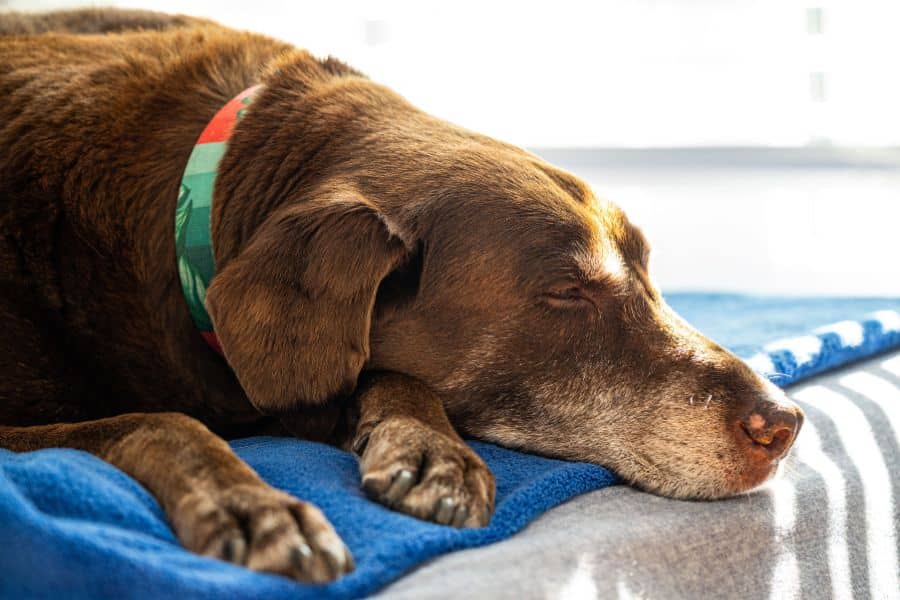
A young Labrador was brought to the clinic after experiencing frequent diarrhea and vomiting overnight. The owners initially thought he had simply eaten something that upset his stomach, but they became concerned when he refused breakfast and became unusually tired.
During the examination, a veterinarian found signs of moderate dehydration and abdominal discomfort. Diagnostic testing suggested the dog had severe dietary indiscretion after getting into household trash. After receiving intravenous fluids, medications, and supportive care, the dog improved significantly over the next day and was able to recover comfortably at home with close monitoring. This example is hypothetical but reflects situations veterinarians commonly see in urgent care.
What Pet Owners Can Do at Home
Not every episode of diarrhea requires emergency treatment, but careful monitoring at home is important.
You can help your pet by:
- Making sure fresh water is always available
- Watching for changes in stool frequency
- Monitoring appetite and energy level
- Keeping notes about vomiting or other symptoms
- Preventing access to garbage or spoiled food
- Following your veterinarian’s feeding instructions
Avoid giving over-the-counter medications unless your veterinarian specifically recommends them. Some medications that are considered safe for people can be harmful to dogs and cats.
It is also helpful to bring a fresh stool sample if your pet is seen by a veterinarian. This can make parasite testing faster and more accurate.
If your pet begins acting worse instead of better, do not continue waiting at home. Diarrhea can worsen rapidly, especially in young, elderly, or medically fragile animals.
Why Pet Owners Choose Urgent Care for Digestive Issues
Digestive problems often happen unexpectedly. Having access to urgent veterinary care means your pet can receive prompt evaluation before dehydration or other complications become more serious.
Urgent care provides several advantages:
- Faster evaluation of concerning symptoms
- Immediate treatment for dehydration
- On-site diagnostic testing
- Pain management when needed
- Guidance for home care after discharge
- Referral for advanced treatment if necessary
Seeking care early may reduce the severity of illness and improve your pet’s recovery time.
When Every Minute Counts
One loose stool usually is not a reason to panic. However, repeated pet diarrhea, blood in the stool, vomiting, weakness, or signs of dehydration should never be ignored. Trust your instincts. You know your pet better than anyone else, and noticeable changes in behavior often signal that something is wrong.
If you are unsure whether your pet needs immediate attention, it is always safer to call a veterinary professional for guidance. At Pet Wellness Group in Hebron, KY, our team is committed to providing compassionate urgent care when your pet needs it most. Prompt evaluation can identify the underlying cause, relieve your pet’s discomfort, and help them return to feeling like themselves as quickly as possible. Call us at 859-647-7387 or schedule an appointment with Pet Wellness Group in Hebron to get the necessary urgent care.
FAQs
Q1: How long should I wait before taking my pet to the vet for diarrhea?
A: If diarrhea lasts longer than 24 hours, becomes frequent, contains blood, or is accompanied by vomiting, weakness, or loss of appetite, your pet should be examined by a veterinarian as soon as possible.
Q2: Can pet diarrhea go away on its own?
A: Mild diarrhea caused by a temporary stomach upset may resolve quickly. However, persistent or severe diarrhea should always be evaluated because it can indicate a more serious medical condition.
Q3: What causes sudden diarrhea in dogs and cats?
A: Common causes include dietary indiscretion, sudden food changes, parasites, infections, stress, toxin exposure, digestive disease, and underlying medical conditions. A veterinary examination helps determine the exact cause.
Q4: Is bloody diarrhea always an emergency?
A: Bloody diarrhea should never be ignored. While some causes are less serious, blood in the stool can also indicate significant intestinal disease, toxin exposure, or other emergencies that require prompt veterinary attention.
Q5: What should I bring to my urgent care appointment?
A: Bring a fresh stool sample if possible, a list of medications your pet takes, information about recent diet changes, and details about when the diarrhea started and any other symptoms you’ve noticed.