
Blog

7 Subtle Signs Your Senior Pet Is in Pain That Are Easy to Miss
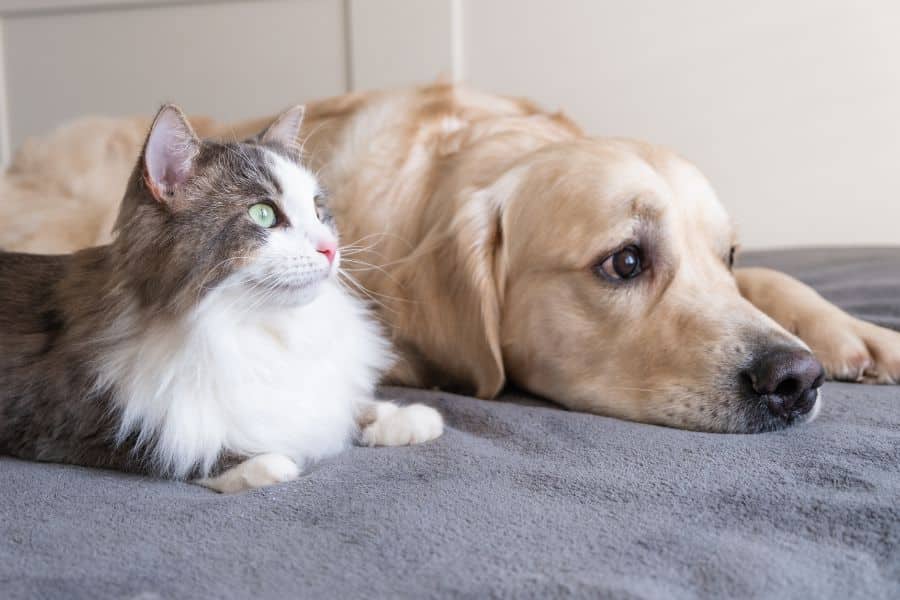
As pets grow older, it’s natural for them to slow down, but not every change is simply a part of aging. Many senior dogs and cats experience discomfort that develops gradually, making it difficult for pet owners to recognize the warning signs. Knowing the subtle indicators of pain can help you seek care before your pet’s quality of life declines.
In this guide, you’ll learn the most common yet easily overlooked signs that your senior pet may be in pain, why they occur, and how early veterinary care can help your companion stay comfortable and active.
Why Pain Is Often Difficult to Recognize in Senior Pets
Unlike humans, pets cannot tell us when something hurts. Instead, they often hide discomfort as a natural survival instinct. Because the changes usually happen slowly, many owners assume their pet is simply getting older.
Pain in senior pets can result from conditions such as arthritis, dental disease, muscle injuries, joint problems, or other age-related health issues. Recognizing subtle behavioral and physical changes is the key to getting timely treatment.
1. They Sleep More Than Usual
Older pets naturally spend more time resting, but excessive sleeping or a noticeable drop in activity may indicate pain.
Watch for signs like:
- Sleeping through favorite activities
- Reluctance to get out of bed
- Difficulty finding a comfortable position
- Restlessness while lying down
If your pet seems tired all the time without another obvious reason, it’s worth scheduling a veterinary evaluation.
2. They Hesitate to Jump or Climb
One of the earliest signs of discomfort is avoiding once-easy movements.
Your senior pet may:
- Stop jumping onto the couch or bed
- Avoid climbing stairs
- Take smaller jumps
- Pause before stepping into the car
These changes often point to joint stiffness or muscle pain rather than simple aging.
3. Changes in Personality
Pain can significantly affect your pet’s mood.
You might notice your pet becoming:
- Less social
- More withdrawn
- Easily irritated
- Unusually clingy
- Less interested in family interactions
Even a friendly pet may become grumpy if touching certain areas causes discomfort.
4. Reduced Interest in Play or Walks
A pet that once eagerly greeted the leash or favorite toy may gradually lose enthusiasm.
Look for behaviors such as:
- Ending walks early
- Walking more slowly
- Refusing games they once loved
- Taking frequent breaks
Reduced activity isn’t always a normal part of aging. Pain often makes exercise less enjoyable.
5. Changes in Grooming Habits
Senior cats may stop grooming themselves thoroughly because twisting and bending become uncomfortable.
Dogs may also show grooming changes by:
- Excessive licking of one area
- Chewing at joints
- Developing matted fur
- Looking less clean than usual
Repeated licking can sometimes indicate pain beneath the skin rather than a skin condition itself.
6. Changes in Appetite or Eating Habits
Pain can affect your pet’s willingness to eat.
Signs include:
- Eating more slowly
- Dropping food while chewing
- Preferring softer foods
- Decreased appetite
- Drinking less water
Dental discomfort is a common cause, but pain elsewhere in the body can also reduce appetite.
7. Subtle Changes in Walking or Standing
Many pets continue walking despite discomfort, but their movement may look different.
Watch for:
- Slight limping
- Stiffness after resting
- Shifting weight off one leg
- Slower movements
- Difficulty standing up
These changes may be mild at first but often worsen if left untreated.
Other Signs That May Indicate Pain
In addition to the seven signs above, senior pets may also experience:
- Heavy panting while resting
- Trembling
- Whining or unusual vocalization
- Accidents inside the house
- Difficulty using the litter box
- Hiding more often
- Increased sensitivity when touched
- Changes in posture
Even small behavioral differences can provide valuable clues about your pet’s health.
Why Early Detection Matters
Pain rarely improves on its own. Early diagnosis allows your veterinarian to identify the underlying cause and recommend appropriate treatment before discomfort becomes severe.
Managing pain early can help:
- Improve mobility
- Increase activity levels
- Enhance appetite
- Support healthy sleep
- Improve overall quality of life
- Help maintain independence longer
Regular wellness exams become increasingly important as pets age because some conditions develop gradually without obvious symptoms.
How You Can Help Your Senior Pet at Home
Supporting an older pet doesn’t always require major lifestyle changes.
Simple ways to improve comfort include:
- Provide soft, supportive bedding
- Use non-slip rugs on smooth floors
- Keep food and water easily accessible
- Maintain a healthy body weight
- Use ramps where appropriate
- Encourage gentle daily activity
- Keep regular veterinary appointments
Avoid giving human pain medications unless specifically directed by your Hebron vet, as many are harmful to pets.
When Should You Schedule a Veterinary Visit
Don’t wait until your pet can barely move before seeking help.
Schedule an appointment if your senior pet:
- Shows any of the signs listed above
- Experiences ongoing stiffness
- Has sudden behavior changes
- Seems uncomfortable for more than a day or two
- Stops enjoying normal daily activities
Early evaluation often leads to more effective management and better long-term comfort.
Conclusion
The signs of pain in a senior pet are often subtle, but recognizing them early can make a significant difference in your companion’s comfort and quality of life. Changes in movement, behavior, grooming, appetite, or activity should never be dismissed as “just old age.” Routine senior pet care allows many painful conditions to be identified and managed before they become more serious. If you’ve noticed any of these warning signs, schedule an appointment with Pet Wellness Group in Hebron, KY to help your senior pet stay healthy, comfortable, and active for years to come.
FAQs
Q1: How can I tell if my senior pet is in pain?
Senior pets often show pain through subtle changes such as sleeping more, moving more slowly, avoiding stairs or jumping, eating less, or becoming less social. Any noticeable change in behavior should be discussed with your veterinarian.
Q2: Is slowing down always a normal part of aging?
No. While older pets may naturally become less active, significant decreases in mobility or enthusiasm can be signs of underlying pain or illness rather than normal aging.
Q3: What is the most common cause of pain in senior pets?
Joint problems, arthritis, dental disease, and age-related musculoskeletal conditions are among the most common causes of pain in older dogs and cats.
Q4: Should I give my pet over-the-counter pain medicine?
No. Many human pain medications are dangerous for pets. Always consult your veterinarian before giving any medication.
Q5: How often should senior pets have wellness exams?
Most veterinarians recommend wellness examinations at least twice a year for senior pets. More frequent visits help detect age-related health issues early and keep your pet as comfortable as possible.