
Blog

What Does a Comprehensive Wellness Exam Actually Check For?
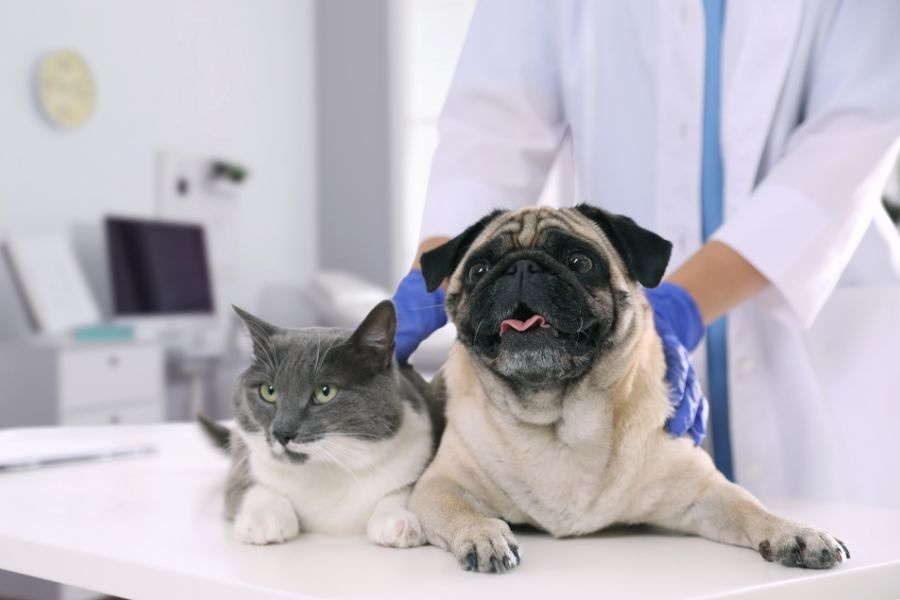
A comprehensive wellness exam is one of the most important parts of preventive pet care. These routine checkups help veterinarians detect health problems early, monitor changes in your pet’s condition, and keep them healthy through every stage of life. Many illnesses, including dental disease, arthritis, heart conditions, and weight-related issues, can develop slowly without obvious symptoms at home. In this guide, you’ll learn what a comprehensive wellness exam actually checks for, why these exams matter, and how regular veterinary visits can help your pet live a longer, healthier life.
Why Comprehensive Wellness Exams Matter?
A comprehensive wellness exam is much more than a quick physical check. It gives your veterinarian a full picture of your pet’s overall health and helps identify small concerns before they become serious medical issues.
Pets age faster than humans, and many conditions progress quietly. By the time symptoms become obvious, treatment may be more difficult and expensive. Routine wellness exams allow veterinarians to spot subtle changes early.
Benefits of regular wellness exams include:
- Early disease detection
- Better weight management
- Updated vaccinations and parasite prevention
- Improved dental health
- Monitoring chronic conditions
- Customized nutrition and lifestyle recommendations
Most healthy adult pets should have a wellness exam once a year. Senior pets or animals with chronic health conditions may need exams every six months.
What Happens During a Comprehensive Wellness Exam?
During a comprehensive wellness exam, your veterinarian evaluates nearly every aspect of your pet’s health. The appointment usually begins with a discussion about your pet’s lifestyle, behavior, appetite, and any recent changes you may have noticed.
The veterinarian then performs a full nose-to-tail physical examination.
Weight and Body Condition Check
One of the first things checked during a comprehensive wellness exam is your pet’s weight and body condition score.
Weight changes can reveal hidden health problems, such as:
- Diabetes
- Thyroid disease
- Kidney disease
- Digestive disorders
- Poor nutrition
Obesity is also a major concern in pets. Excess weight increases the risk of arthritis, heart disease, breathing issues, and reduced lifespan.
Your veterinarian may recommend:
- Portion adjustments
- Prescription diets
- Exercise plans
- Weight monitoring schedules
Heart and Lung Evaluation
Your veterinarian listens carefully to your pet’s heart and lungs using a stethoscope.
This part of the wellness exam checks for:
- Heart murmurs
- Irregular heart rhythms
- Signs of heart disease
- Fluid in the lungs
- Respiratory infections
Breathing patterns are also evaluated. Coughing, wheezing, or abnormal breathing sounds can indicate underlying medical concerns that may require further testing.
Dental and Oral Health Assessment
Dental disease is one of the most common health problems seen in pets. Unfortunately, many pet owners do not notice oral pain until the condition becomes advanced.
During a comprehensive wellness exam, the veterinarian checks for:
- Tartar buildup
- Gingivitis
- Broken teeth
- Oral infections
- Gum recession
- Bad breath
- Oral tumors or growths
Poor dental health can affect the entire body. Bacteria from dental infections may spread to the heart, liver, and kidneys.
Your veterinarian may recommend:
- Professional dental cleanings
- Dental chews
- Tooth brushing routines
- Dental diets
Eye and Ear Examination
Your pet’s eyes and ears provide important clues about their overall health.
Eye Checks
The veterinarian looks for:
- Redness
- Cloudiness
- Cataracts
- Eye discharge
- Vision changes
- Corneal injuries
Eye problems can worsen quickly if left untreated, especially in senior pets.
Ear Checks
Ear examinations help detect:
- Ear infections
- Inflammation
- Wax buildup
- Parasites such as ear mites
- Allergies
Frequent ear infections may point to underlying allergies or skin conditions.
Skin and Coat Evaluation
Healthy skin and coat condition often reflect your pet’s internal health.
During the exam, the veterinarian checks for:
- Hair loss
- Dry skin
- Lumps and bumps
- Fleas or ticks
- Allergies
- Hot spots
- Skin infections
Lumps are carefully evaluated because some masses may be cancerous. Early detection greatly improves treatment outcomes.
Your veterinarian may recommend diagnostic testing if abnormal growths are found.
Abdominal Palpation
A comprehensive wellness exam includes gently feeling your pet’s abdomen to assess internal organs.
This helps veterinarians check for:
- Enlarged organs
- Pain or discomfort
- Bladder abnormalities
- Intestinal problems
- Abdominal masses
Changes in abdominal organs can signal serious conditions such as liver disease, kidney disease, or tumors.
Joint and Mobility Assessment
Mobility issues are especially common in aging pets, but younger animals can also develop orthopedic concerns.
Your veterinarian evaluates:
- Joint stiffness
- Muscle loss
- Pain responses
- Limping
- Arthritis signs
- Range of motion
Many pets hide pain surprisingly well. Early arthritis treatment can greatly improve comfort and mobility.
Recommendations may include:
- Joint supplements
- Weight loss
- Pain management
- Physical therapy
- Exercise modifications
Lymph Node and Immune System Check
Lymph nodes are examined during a comprehensive wellness exam because enlarged lymph nodes can indicate:
- Infection
- Inflammation
- Immune disorders
- Certain cancers
Checking lymph nodes helps veterinarians identify illnesses that may not yet show visible symptoms.
Parasite Screening and Prevention
Parasite prevention is a major part of preventive veterinary care.
Your veterinarian may discuss protection against:
- Fleas
- Ticks
- Heartworms
- Intestinal parasites
Fecal testing is often recommended to check for intestinal worms or parasites that may not be visible.
Heartworm testing is especially important for dogs, even those on monthly prevention.
Vaccination Review
Vaccinations are reviewed during the wellness exam to ensure your pet stays protected from preventable diseases.
Core vaccines often include:
- Rabies
- Distemper
- Parvovirus
- Feline viral diseases
Non-core vaccines may be recommended based on your pet’s lifestyle, travel habits, boarding exposure, or outdoor activities.
Your veterinarian creates a personalized vaccine schedule based on your pet’s needs.
Bloodwork and Diagnostic Testing
Many veterinarians recommend routine bloodwork as part of a comprehensive wellness exam, especially for senior pets.
Diagnostic testing may include:
- Complete blood count (CBC)
- Blood chemistry panel
- Urinalysis
- Thyroid testing
- Heartworm testing
These tests help detect hidden diseases before symptoms appear.
Conditions commonly found through routine screening include:
- Kidney disease
- Diabetes
- Liver disease
- Thyroid disorders
- Anemia
Early detection often leads to more successful treatment and lower long-term medical costs.
Behavioral and Lifestyle Discussions
A wellness exam also includes conversations about your pet’s daily habits and emotional well-being.
Topics may include:
- Anxiety
- Changes in behavior
- Nutrition
- Exercise
- Socialization
- Sleep patterns
Behavior changes are sometimes the first sign of pain or illness. Your veterinarian can help determine whether medical or behavioral treatment is needed.
How Often Should Pets Have Wellness Exams?
The frequency of wellness exams depends on your pet’s age and health status.
Puppies and Kittens
Young pets usually need multiple visits during their first year for vaccines, growth monitoring, and parasite prevention.
Adult Pets
Most healthy adult pets benefit from yearly comprehensive wellness exams.
Senior Pets
Senior pets often need exams every six months because health conditions can develop more rapidly with age.
Routine monitoring helps maintain quality of life and catch age-related diseases earlier.
Signs Your Pet Should See a Veterinarian Sooner
Even if your pet recently had a wellness exam, contact your veterinarian if you notice:
- Loss of appetite
- Vomiting or diarrhea
- Weight loss
- Increased thirst
- Limping
- Persistent coughing
- Behavior changes
- Difficulty breathing
- Lumps or swelling
Prompt evaluation can prevent small issues from becoming emergencies.
Conclusion
A comprehensive wellness exam checks far more than most pet owners realize. From dental health and heart function to weight management and parasite prevention, these routine visits play a major role in keeping pets healthy throughout their lives. Regular veterinary care allows health problems to be caught early, improving treatment success and helping pets stay comfortable and active for years to come. If your pet is due for a checkup, schedule a wellness exam with Pet Wellness Group in Florence to help protect your pet’s long-term health and well-being.
FAQs
Q1: What is included in a comprehensive wellness exam for pets?
Ans: A comprehensive wellness exam typically includes a physical examination, weight check, dental evaluation, heart and lung assessment, parasite screening, vaccination review, and discussions about nutrition and behavior.
Q2: How often should my pet have a wellness exam?
Ans: Most adult pets should have a wellness exam once a year. Senior pets and animals with chronic conditions may need exams every six months.
Q3: Can a wellness exam detect hidden diseases?
Ans: Yes, comprehensive wellness exams and routine bloodwork can help detect hidden illnesses like kidney disease, diabetes, thyroid disorders, and heart problems before symptoms appear.
Q4: Are wellness exams important for indoor pets?
Ans: Absolutely, indoor pets can still develop dental disease, obesity, arthritis, parasites, and other medical conditions that benefit from early detection.
Q5: What should I bring to my pet’s wellness appointment?
Ans: Bring your pet’s medical records, current medications, vaccination history, and notes about any behavior or health changes you have noticed at home.