
Blog

Core vs. Non-Core Vaccines: What Every Pet Owner Needs to Know
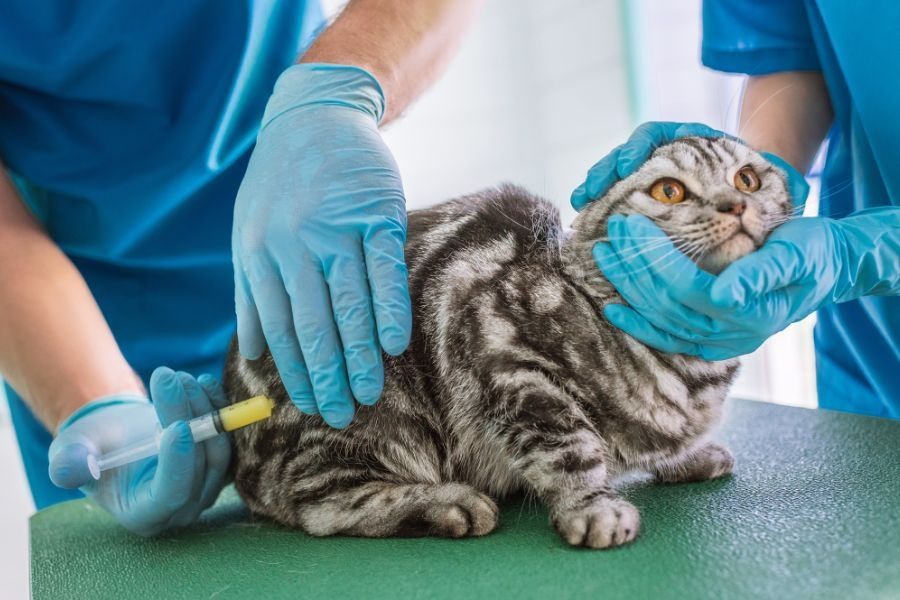
Vaccination plays a major role in protecting pets from dangerous and preventable diseases. Knowing the difference between core and non-core vaccines helps pet owners make informed decisions based on their pet’s age, lifestyle, and health risks. In this guide, you’ll learn which vaccines are considered essential, which ones may be optional, and how a personalized vaccination plan can keep your dog or cat healthy for years to come.
What Are Core Vaccines?
Core vaccines are the vaccines that veterinarians recommend for nearly every pet. These vaccines protect against diseases that are highly contagious, severe, or commonly found in many areas.
For both dogs and cats, core vaccination schedules usually begin when pets are young and continue with boosters throughout adulthood.
Why Core Vaccines Matter
Core vaccines are considered essential because they:
- Protect against life-threatening illnesses
- Help prevent outbreaks in communities
- Reduce the spread of contagious diseases
- Support long-term pet health
- May be required by state or local laws
Many of the diseases covered by core vaccination protocols can spread quickly through direct contact, shared water bowls, parks, boarding facilities, or wildlife exposure.
Core Vaccines for Dogs
Dogs typically receive several core vaccines during puppyhood and booster shots later in life.
Rabies Vaccine
The rabies vaccine is legally required in many states. Rabies affects the nervous system and is fatal once symptoms appear. It can also spread to humans.
Distemper Vaccine
Canine distemper is a serious viral disease that affects the respiratory, gastrointestinal, and nervous systems. It spreads easily between dogs.
Parvovirus Vaccine
Parvovirus causes severe vomiting, diarrhea, and dehydration, which can become fatal, especially in puppies.
Adenovirus Vaccine
This vaccine protects against canine hepatitis, which affects the liver and other organs.
These vaccines are often combined into one shot called the DHPP vaccine.
Core Vaccines for Cats
Cats also require core vaccination protection, even indoor cats in many cases.
Rabies Vaccine
Like dogs, cats are commonly required to receive rabies vaccination by law.
Feline Panleukopenia Vaccine
Often called feline distemper, this virus attacks the immune system and can be deadly in kittens.
Feline Herpesvirus Vaccine
This vaccine helps reduce upper respiratory infections in cats.
Calicivirus Vaccine
Calicivirus causes respiratory disease and painful mouth ulcers.
These vaccines are frequently combined into the FVRCP vaccine.
What Are Non-Core Vaccines?
Non-core vaccines are optional vaccines recommended based on a pet’s environment, lifestyle, travel habits, and risk of exposure.
Not every pet needs every non-core vaccination. Your veterinarian will assess your pet’s individual needs before recommending them.
Non-Core Vaccines for Dogs
Several non-core vaccination options may benefit dogs depending on their activity level and surroundings.
Bordetella Vaccine
Bordetella, commonly called kennel cough, spreads in places where dogs gather closely together, including:
- Boarding facilities
- Grooming salons
- Dog parks
- Training classes
- Daycare centers
Leptospirosis Vaccine
Leptospirosis is a bacterial disease spread through contaminated water or wildlife urine. It can affect both pets and humans.
Dogs that hike, swim, or spend time outdoors often benefit from this vaccination.
Lyme Disease Vaccine
Dogs exposed to ticks may need Lyme vaccination, especially in wooded or grassy regions.
Canine Influenza Vaccine
Dog flu vaccination may be recommended during local outbreaks or for social dogs frequently around other pets.
Non-Core Vaccines for Cats
Cats may also need additional vaccination protection depending on their lifestyle.
Feline Leukemia Vaccine (FeLV)
This vaccine is commonly recommended for:
- Outdoor cats
- Cats living with infected cats
- Young kittens
- Cats with unknown exposure history
Feline leukemia weakens the immune system and can shorten a cat’s lifespan.
Chlamydia Vaccine
This vaccine may help cats in multi-cat households or shelter environments where respiratory infections spread easily.
Bordetella Vaccine for Cats
Although less common, some cats may benefit from Bordetella vaccination in high-risk environments.
Factors That Determine Which Vaccines Your Pet Needs
Vaccination recommendations are not identical for every pet. Veterinarians consider several important factors before building a vaccine schedule.
Age
Puppies and kittens need multiple vaccines early in life because their immune systems are still developing.
Senior pets may need adjusted schedules based on health conditions.
Lifestyle
Pets that spend time outdoors or interact with other animals face greater exposure risks.
Travel and Boarding
Frequent travel, boarding, grooming visits, or daycare attendance may increase the need for non-core vaccination.
Geographic Location
Some diseases are more common in certain regions. Tick-borne illnesses and leptospirosis risks vary by area.
Health Status
Pets with immune disorders or chronic illnesses may require customized vaccination plans.
When Should Pets Receive Vaccines?
Vaccination schedules typically begin during the first few months of life.
Puppy Vaccination Timeline
Most puppies begin vaccines around 6 to 8 weeks old and continue every few weeks until about 16 weeks.
Kitten Vaccination Timeline
Kittens also start vaccines early and receive boosters throughout their first several months.
Adult Booster Vaccines
Adult pets require booster vaccination appointments to maintain protection. Some vaccines are given yearly, while others may last longer.
Your veterinarian can explain the ideal schedule for your pet.
Are Vaccines Safe for Pets?
Vaccination is considered very safe for the vast majority of pets. Mild side effects are more common than serious reactions.
Common temporary side effects include:
- Mild soreness
- Low energy
- Slight fever
- Reduced appetite
Serious reactions are rare but require immediate veterinary attention.
Contact your veterinarian if your pet experiences:
- Facial swelling
- Difficulty breathing
- Persistent vomiting
- Severe lethargy
- Collapse
Why Skipping Vaccination Can Be Risky?
Choosing not to vaccinate leaves pets vulnerable to diseases that are often preventable.
Many infectious illnesses can:
- Spread rapidly
- Cause expensive medical emergencies
- Lead to long-term complications
- Become fatal
Vaccination also helps protect vulnerable animals in the community through reduced disease transmission.
How to Keep Your Pet’s Vaccination Records Organized?
Keeping vaccination records updated is important for:
- Boarding requirements
- Grooming appointments
- Travel documentation
- Emergency care
- Licensing compliance
Helpful tips include:
- Store records digitally
- Keep paper copies in a safe place
- Set reminders for booster appointments
- Ask your veterinarian for updated schedules after each visit
Conclusion
Understanding the difference between core and non-core vaccination helps pet owners make smarter healthcare decisions for their animals. Effective pet preventive care includes core vaccines that protect against severe and widespread diseases, while non-core vaccines offer added protection based on lifestyle and exposure risks. Working closely with your veterinarian ensures your pet receives the right vaccines at the right time for a healthy and protected life. To create a personalized vaccination plan for your pet, schedule an appointment with Pet Wellness Group in Hebron, KY.
FAQs
Q1: What is the difference between core and non-core vaccination?
Ans: Core vaccination protects against diseases considered dangerous and common for all pets, while non-core vaccination is recommended based on individual risk factors and lifestyle.
Q2: Does my indoor cat still need vaccination?
Ans: Yes, Indoor cats can still be exposed to diseases through open doors, visitors, other pets, or emergencies. Core vaccination is still recommended for most indoor cats.
Q3: How often does my dog need booster vaccination shots?
Ans: The schedule depends on the vaccine type, your dog’s age, and health status. Some boosters are yearly, while others may be needed every three years.
Q4: Are puppy and kitten vaccination schedules different?
Ans: Yes, puppies and kittens receive different vaccines based on the diseases that commonly affect each species.
Q5: Can pets have side effects after vaccination?
Ans: Most pets experience only mild and temporary side effects, such as soreness or tiredness. Serious reactions are uncommon but should be treated immediately by a veterinarian.