
Blog

How Often Should You Take Your Pet to the Vet? A Complete Guide by Life Stage
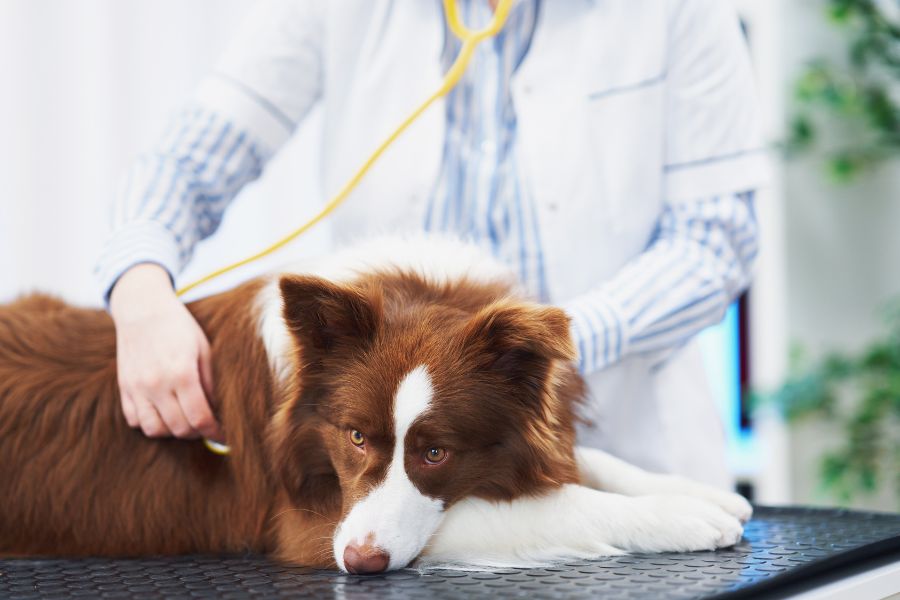
Regular vet visits are one of the best ways to keep your pet healthy and happy throughout every stage of life. From early puppy and kitten vaccines to senior wellness screenings, knowing how often to visit the vet can help catch health problems before they become serious. In this guide, you’ll learn the recommended veterinary schedule for puppies, kittens, adult pets, and senior companions, plus the warning signs that mean your pet should see a veterinarian sooner.
Most veterinarians recommend at least one wellness exam per year for healthy adult pets, while puppies, kittens, and senior pets often need more frequent care. Preventive visits help monitor your pet’s weight, dental health, vaccinations, parasite prevention, and overall well-being.
Why Regular Vet Visits Matter?
Pets age much faster than humans. A single year in a dog or cat’s life can equal several human years, which means health changes can happen quickly. Routine veterinary exams help identify issues early, often before symptoms become obvious.
Regular checkups can help your veterinarian:
- Detect diseases early
- Keep vaccines updated
- Monitor weight and nutrition
- Check dental health
- Prevent parasites like fleas, ticks, and heartworms
- Identify behavior or mobility changes
- Create a personalized wellness plan
According to the American Animal Hospital Association, all pets should see a veterinarian at least once a year, although many pets benefit from more frequent visits depending on age and health status.
Vet Visits for Puppies and Kittens
Young pets require the most frequent veterinary care during their first year of life. Puppies and kittens are growing rapidly, building immunity, and learning healthy habits.
How Often Should Puppies and Kittens Go to the Vet?
Most puppies and kittens should visit the vet every 3 to 4 weeks until they are about 16 weeks old.
Typical first-year visits include:
- Vaccinations
- Deworming
- Flea and tick prevention
- Growth monitoring
- Nutrition guidance
- Behavioral advice
- Spay or neuter planning
- Microchipping
Your pet’s first appointment usually happens around 6 to 8 weeks of age. These early visits are important because young pets are especially vulnerable to contagious diseases like parvovirus and distemper.
What Happens During Puppy and Kitten Exams?
During wellness visits, your vet may:
- Listen to the heart and lungs
- Check eyes, ears, and teeth
- Examine stool samples for parasites
- Monitor healthy weight gain
- Discuss training and socialization
- Build a vaccination schedule
Frequent visits also help young pets become comfortable with veterinary care, which reduces stress later in life.
How Often Should Adult Pets See the Vet?
Healthy adult dogs and cats generally need a vet visit once a year. Annual wellness exams are the foundation of preventive care and help your veterinarian establish a health baseline for your pet.
Annual Wellness Exams Usually Include:
- Physical examination
- Vaccine updates
- Dental evaluation
- Weight and nutrition review
- Parasite prevention
- Heartworm testing
- Bloodwork if recommended
Even if your pet seems healthy, hidden problems can develop silently. Conditions like dental disease, obesity, arthritis, and kidney disease may not show obvious symptoms at first.
Lifestyle Factors That May Require More Vet Visits
Some pets need more frequent exams depending on their lifestyle or medical history. Your veterinarian may recommend extra visits if your pet:
- Has chronic health conditions
- Takes long-term medication
- Travels frequently
- Visits boarding facilities or dog parks
- Has allergies or skin conditions
- Is overweight
- Has dental disease
Cats often hide signs of illness especially well, which makes routine care even more important.
Vet Care for Senior Pets
As pets age, they become more vulnerable to arthritis, diabetes, kidney disease, heart disease, cancer, and cognitive decline. Senior pets benefit from more frequent veterinary monitoring.
How Often Should Senior Pets Go to the Vet?
Most veterinarians recommend that senior pets see the vet every 6 months.
A lot can change in six months for an aging pet. Twice-yearly exams can help identify health concerns before they progress.
Senior Wellness Visits Often Include:
- Bloodwork
- Urinalysis
- Blood pressure checks
- Arthritis evaluations
- Mobility assessments
- Dental exams
- Cognitive health monitoring
- Weight tracking
Senior dogs are often considered “senior” around age 7, although larger breeds may age faster. Cats commonly enter the senior stage around age 10.
Signs Your Senior Pet Needs Veterinary Attention
Schedule a vet visit promptly if your older pet shows:
- Increased thirst or urination
- Weight loss
- Trouble walking or climbing stairs
- Confusion or disorientation
- Appetite changes
- Bad breath
- Persistent coughing
- Lumps or bumps
Early treatment can significantly improve the quality of life for senior pets.
Emergency Signs That Require Immediate Vet Care
Routine wellness visits are important, but some symptoms require urgent medical attention.
Contact your vet immediately if your pet experiences:
- Difficulty breathing
- Collapse or seizures
- Severe vomiting or diarrhea
- Loss of appetite lasting over 24 hours
- Sudden weakness
- Bloated abdomen
- Bleeding
- Trouble urinating
- Suspected poisoning
- Trauma or injury
Trust your instincts. If something feels wrong, it’s always safer to call your veterinarian.
How Preventive Care Saves Money Long Term?
Many pet owners delay vet visits because of cost concerns, but preventive care is usually far less expensive than emergency treatment.
For example:
- A routine dental cleaning costs less than treating severe dental infections.
- Early diabetes detection is easier and less costly than emergency hospitalization.
- Preventive parasite medication is cheaper than heartworm treatment.
Routine veterinary care helps reduce the risk of major health complications and emergency bills.
What to Bring to Your Pet’s Vet Appointment?
Being prepared helps make vet visits smoother and more productive.
Bring:
- Vaccine records
- Current medications
- A stool sample, if requested
- Notes about symptoms or behavior changes
- Questions about diet, exercise, or medications
For cats, using a comfortable carrier with a towel or blanket can reduce stress during travel.
Building a Strong Relationship With Your Veterinarian
Consistent veterinary care helps your pet feel more comfortable over time and allows your veterinarian to understand your pet’s health history.
A trusted vet can help guide you through:
- Nutrition choices
- Weight management
- Dental care
- Behavioral concerns
- Aging support
- Preventive medicine
Pets who receive regular wellness care often enjoy longer, healthier lives.
Conclusion
Knowing how often to take your pet to the vet depends largely on their age, lifestyle, and overall health. Puppies and kittens need frequent visits during their first year, healthy adult pets usually need annual exams, and senior pets often benefit from checkups every six months. Preventive veterinary care helps detect health problems early and gives your pet the best chance at a long, healthy life. If your pet is due for a wellness exam, vaccinations, or senior health screening, schedule an appointment with your trusted Florence vet, Pet Wellness Group.
FAQs
Q1: How often should a healthy dog go to the vet?
Ans: Healthy adult dogs should generally visit the vet once a year for a wellness exam, vaccines, and preventive care. Senior dogs may need visits every six months.
Q2: How often do cats need veterinary checkups?
Ans: Most adult cats need yearly veterinary exams, while senior cats often benefit from twice-yearly visits to monitor age-related conditions.
Q3: When should puppies start going to the vet?
Ans: Puppies should usually have their first vet visit between 6 and 8 weeks of age and continue visits every 3 to 4 weeks until about 16 weeks old.
Q4: Why are regular vet visits important even if my pet seems healthy?
Ans: Many diseases develop without obvious symptoms at first. Routine exams help detect health issues early when treatment is often more effective and less expensive.
Q5: What are the signs my pet needs to see a vet immediately?
Ans: Difficulty breathing, seizures, repeated vomiting, severe diarrhea, sudden weakness, or loss of appetite for more than 24 hours are all reasons to contact a veterinarian right away.