
Blog

Bad Breath Isn’t Normal: Why Pet Dental Care Matters
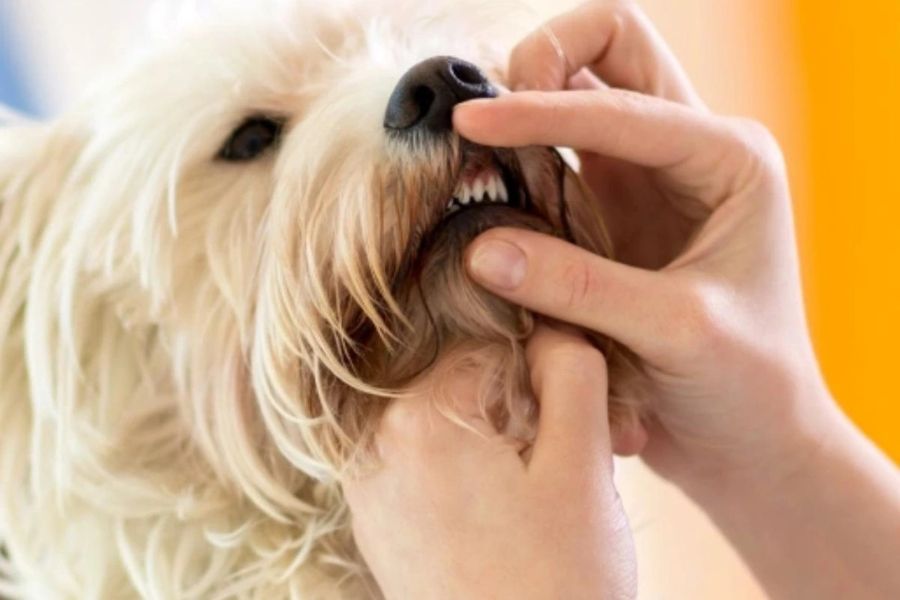
Bad breath in pets is often dismissed as normal, but it can be a warning sign of serious health problems. Pet dental care plays a critical role in your pet’s overall health, preventing pain, infections, and even organ damage. In this guide, you’ll learn why dental care matters, common signs of dental disease, and how to keep your pet’s teeth healthy for years to come.
Why Pet Dental Care Is More Important Than You Think?
Many pet owners believe bad breath is just part of owning a dog or cat. In reality, persistent bad breath is often one of the first signs of dental disease. By age three, nearly 70 percent of cats and 80 percent of dogs show signs of dental problems.
Dental disease starts small but can quickly become serious. Without proper pet dental care, plaque turns into tartar, which leads to gum disease, infection, and tooth loss. Over time, bacteria from the mouth can spread to major organs.
Poor dental health can affect:
- Heart
- Liver
- Kidneys
- Immune system
- Appetite and digestion
Routine dental care helps prevent these complications and improves your pet’s comfort and quality of life.
What Causes Bad Breath in Pets?
Bad breath, also called halitosis, usually develops because of bacterial buildup in the mouth. When food particles remain on teeth, bacteria multiply and produce foul odors.
Common causes include:
1. Plaque and Tartar Buildup
Plaque forms daily on your pet’s teeth. If not removed, it hardens into tartar, which irritates the gums and creates infection.
2. Gum Disease
Gingivitis and periodontal disease are among the most common reasons for bad breath. These conditions cause inflammation, bleeding, and pain.
3. Tooth Infections
Broken or infected teeth can create strong, unpleasant odors and severe discomfort.
4. Diet and Debris
Certain foods and chewing habits can contribute to odor, especially if food becomes trapped between teeth.
5. Underlying Health Conditions
Sometimes bad breath indicates deeper health issues, such as:
- Diabetes
- Kidney disease
- Liver problems
- Oral tumors
Proper pet dental care helps identify these issues early and protects your pet’s overall health.
Warning Signs Your Pet Needs Dental Care
Pets rarely show obvious signs of dental pain, which makes it important to watch for subtle symptoms.
Look for these common warning signs:
- Persistent bad breath
- Yellow or brown tartar on teeth
- Red or swollen gums
- Bleeding from the mouth
- Difficulty chewing
- Drooling more than usual
- Pawing at the mouth
- Decreased appetite
- Loose or missing teeth
If you notice any of these symptoms, it is time to schedule a dental exam. Early treatment prevents more serious complications.
How Dental Disease Progresses in Pets
Understanding how dental disease develops helps pet owners recognize the importance of preventive pet dental care.
Stage 1: Plaque Formation
Plaque begins forming within hours after eating. This stage is reversible with brushing and routine care.
Stage 2: Tartar Buildup
Plaque hardens into tartar, which cannot be removed with brushing alone.
Stage 3: Gingivitis
Gums become inflamed and may bleed. Pets may start experiencing discomfort.
Stage 4: Periodontal Disease
Infection spreads below the gum line, damaging bone and tissue.
Stage 5: Tooth Loss and Infection
Severe disease leads to tooth loss, pain, and bacteria entering the bloodstream.
Routine pet dental care helps stop this progression before it becomes serious.
Benefits of Regular Pet Dental Care
Maintaining good dental health provides many benefits beyond fresh breath.
1. Prevents Pain and Discomfort
Dental disease is painful. Regular care helps keep your pet comfortable.
2. Protects Overall Health
Oral bacteria can spread to organs, causing long-term health problems.
3. Improves Appetite
Pets with healthy teeth eat better and maintain proper nutrition.
4. Saves Money Long Term
Preventive care reduces the need for expensive dental procedures later.
5. Extends Lifespan
Healthy pets often live longer, more comfortable lives.
Investing in pet dental care today can prevent serious issues tomorrow.
How Often Should Pets Get Dental Checkups?
Veterinarians typically recommend annual dental exams for most pets. However, some pets may need more frequent care.
Pets that may require additional dental visits include:
- Small breed dogs
- Senior pets
- Pets with crowded teeth
- Pets with previous dental issues
During a dental checkup, your veterinarian may:
- Examine teeth and gums
- Check for infection
- Recommend cleaning
- Take dental X-rays if needed
Regular exams ensure dental problems are caught early.
At Home Pet Dental Care Tips
Home care plays a vital role in maintaining your pet’s dental health between professional visits.
Brush Your Pet’s Teeth
Brushing is one of the most effective ways to prevent plaque buildup. Use pet-safe toothpaste and aim for brushing several times per week.
Provide Dental Chews
Dental treats help reduce plaque and keep teeth cleaner.
Use Dental Toys
Chewing toys can support gum health and reduce tartar buildup.
Add Water Additives
Some products help control bacteria in your pet’s mouth.
Feed Dental Friendly Diets
Certain foods are designed to support dental health.
Consistency is key when it comes to pet dental care at home.
Professional Dental Cleaning: What to Expect
Professional dental cleanings are an important part of comprehensive care. These cleanings allow veterinarians to remove tartar and check for hidden problems.
A professional dental cleaning typically includes:
- Full oral exam
- Tartar removal
- Polishing teeth
- Checking below the gum line
- Dental X-rays, if needed
These procedures are performed under anesthesia to ensure safety and comfort.
Professional cleaning combined with home pet dental care provides the best protection.
Pets Most at Risk for Dental Problems
Some pets are more prone to dental disease than others. These include:
- Small dog breeds
- Older pets
- Cats with crowded teeth
- Pets that rarely chew
- Pets with a poor diet
If your pet falls into one of these categories, regular dental care becomes even more important.
When to See a Veterinarian
Do not wait until your pet is in pain. Early dental care prevents serious complications.
Schedule a visit if you notice:
- Bad breath that persists
- Swollen or bleeding gums
- Difficulty eating
- Loose teeth
- Facial swelling
Prompt treatment improves outcomes and protects your pet’s health.
Bad breath is not normal, and it is often the first sign of dental disease. Prioritizing pet dental care helps prevent pain, infection, and serious health problems. Regular checkups, at-home care, and professional cleanings all work together to keep your pet healthy and comfortable. If your pet has bad breath or has not had a dental exam recently, schedule an appointment with Pet Wellness Group in Florence, KY, today and give your pet the healthy smile they deserve.
FAQs
Q1: Is bad breath in pets always a sign of dental problems?
Ans: Yes, persistent bad breath is usually caused by dental disease or bacterial buildup and should be checked by a veterinarian.
Q2: How often should I brush my pet’s teeth?
Ans: Ideally, brush your pet’s teeth daily, but brushing several times per week still provides significant benefits.
Q3: Do pets really need professional dental cleanings?
Ans: Yes, professional cleanings remove tartar below the gum line, which cannot be cleaned at home.
Q4: What happens if dental disease is left untreated?
Ans: Untreated dental disease can lead to pain, tooth loss, infection, and damage to major organs.
Q5: At what age should pet dental care begin?
Ans: Pet dental care should start early, ideally when pets are young, to prevent plaque buildup and maintain long-term oral health.