
Blog

How to Choose the Right Vet for Your New Pet
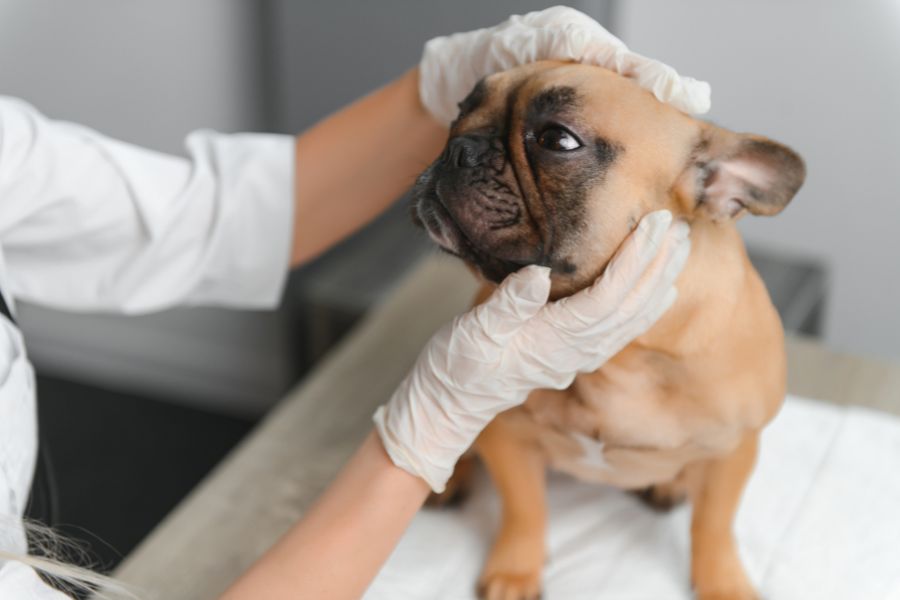
Choosing the right vet for your new pet is one of the most important decisions you will make as a pet owner. A trusted veterinary professional ensures your pet stays healthy, happy, and protected throughout every stage of life. In this guide, you’ll learn how to evaluate clinics, compare services, and confidently select the best vet for your furry companion using practical, expert-backed tips.
From credentials and location to communication style and emergency care, we’ll break down everything you need to know to find a reliable vet who truly cares about your pet’s well-being.
What to Look for in a Vet for Your New Pet
Finding the right vet starts with understanding what quality care looks like. Not all clinics offer the same level of service, and your pet deserves consistent, compassionate attention.
Here are key factors to consider:
- Compassionate communication: A good vet should listen carefully and explain things clearly.
- Comprehensive services: Look for preventive care, diagnostics, vaccinations, dental care, and surgery options.
- Clean and organized facility: A well-maintained clinic reflects strong hygiene standards.
- Positive reviews and reputation: Check local reviews and pet owner feedback.
- Comfort for your pet: The environment should feel calm and stress-free for animals.
A reliable vet doesn’t just treat illness; they focus on prevention and long-term wellness. This helps your pet live a healthier, longer life with fewer complications.
Experience, Credentials, and Clinic Standards in a Vet Practice
When selecting a vet, professional qualifications matter just as much as compassion. You want someone trained, certified, and experienced in handling a wide range of pet health concerns.
Key qualifications to check:
- Doctor of Veterinary Medicine (DVM) degree
- State licensing and certifications
- Continuing education in modern veterinary medicine
- Experience with your specific type of pet (dogs, cats, exotic animals)
A highly skilled vet should also stay updated with advancements in pet healthcare, including diagnostic technology, nutrition science, and preventive medicine.
Clinic standards that matter:
- Use of modern diagnostic equipment, such as digital X-rays and ultrasound
- Strict sterilization and infection control protocols
- Clear treatment plans and transparent pricing
- Availability of in-house laboratory testing
The best vet clinics combine experience with advanced tools to ensure fast and accurate diagnosis. This reduces stress for both pets and owners while improving treatment outcomes.
Location, Accessibility, and Emergency Care Options
Convenience plays a major role when choosing a vet, especially during emergencies. A nearby clinic can make a huge difference in urgent situations like injuries, sudden illness, or allergic reactions.
Things to consider:
- Proximity to home: A local vet reduces travel stress for your pet
- Emergency availability: Ask if they offer after-hours or emergency care services
- Appointment flexibility: Clinics with weekend or evening hours are a big plus
- Referral network: Some clinics partner with emergency animal hospitals for critical cases
In emergencies, every minute matters. Having a trusted vet nearby ensures your pet receives fast, life-saving care when needed. Also consider parking availability, ease of access, and whether the clinic is pet-friendly for anxious animals.
How to Evaluate Your First Vet Visit
Your first visit to a vet clinic can tell you a lot about whether it’s the right fit. This is your chance to observe how the staff interacts with both you and your pet.
What to observe during the visit:
- Does the vet take time to examine your pet thoroughly?
- Are explanations clear and easy to understand?
- Is your pet handled gently and patiently?
- Do staff members answer questions without rushing?
A quality vet visit should feel informative, not overwhelming. The vet should explain preventive care routines like vaccinations, flea control, nutrition, and wellness exams in detail.
Red flags to watch for:
- Lack of communication or rushed appointments
- Unclear treatment recommendations
- Unclean or disorganized environment
- Pressure to approve unnecessary procedures
A good first impression often reflects long-term care quality. Trust your instincts when evaluating your experience.
Questions to Ask Before Choosing a Vet
Asking the right questions can help you confidently select the best vet for your pet’s needs.
Important questions include:
- What preventive care plans do you recommend for my pet?
- How do you handle emergencies?
- What services are offered in-house versus referred out?
- How often should my pet come in for wellness exams?
- What is your approach to pain management and chronic conditions?
A knowledgeable vet will answer these questions clearly and without hesitation. They should also personalize recommendations based on your pet’s age, breed, and health history. Don’t be afraid to ask about costs, insurance compatibility, and payment options as well. Transparency is a sign of a trustworthy clinic. Choosing the right vet for your new pet is about more than convenience. It’s about finding a partner in your pet’s lifelong health journey. By evaluating experience, communication, clinic standards, and emergency readiness, you can ensure your pet receives the highest level of care possible.
If you are looking for compassionate, reliable veterinary support, schedule an appointment at Pet Wellness Group in Florence, Hebron, KY is dedicated to providing high-quality care tailored to every pet’s needs. A trusted vet will always prioritize your pet’s comfort, safety, and long-term wellness.
FAQs
Q1: How do I know if a vet is good for my pet?
Ans: A good vet communicates clearly, has strong credentials, and provides thorough exams with a focus on preventive care.
Q2: How often should I take my pet to the vet?
Ans: Most pets should visit a vet at least once a year for wellness exams, while puppies, kittens, and senior pets may need more frequent visits.
Q3: What should I bring to my first vet appointment?
Ans: Bring any medical records, vaccination history, information about diet, and notes about your pet’s behavior or symptoms.
Q4: Is it important to choose a local vet?
Ans: Yes, a local vet ensures faster access during emergencies and makes routine visits more convenient and less stressful.
Q5: What services should a full-service vet clinic offer?
Ans: A quality vet clinic should offer vaccinations, diagnostics, dental care, surgery, preventive care, and emergency support.